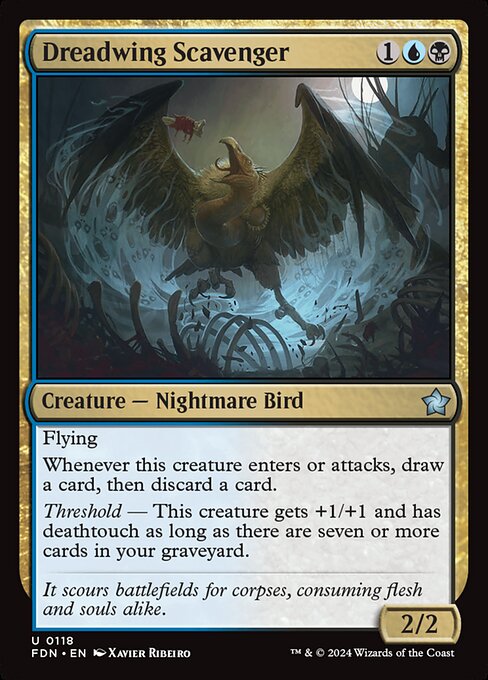
Dreadwing Scavenger
Uncommon · Creature — Nightmare Bird · At the table
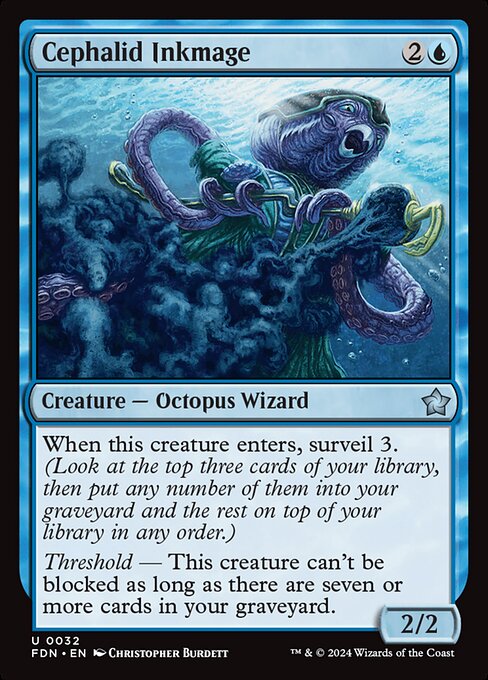
At seven cards, Inkmage cannot be blocked and Scavenger is larger with deathtouch. Exiling a card before attackers can remove the evasion and immediately shrink Scavenger.
The set’s mechanics with worked examples, then every word on the cards.
Threshold abilities use seven or more cards in your graveyard. Read whether the particular reward is continuous or a triggered ability.
At seven cards, Inkmage cannot be blocked and Scavenger is larger with deathtouch. Exiling a card before attackers can remove the evasion and immediately shrink Scavenger.
Raid rewards you if you attacked during the turn. The attacker need not hit a player, survive combat or be the card with raid.

Attack with a small creature, then cast Boarders with its counter in your second main phase. Artist can have stayed back and still trigger at your end step.
Prowess gives its creature +1/+1 for the turn whenever you cast a noncreature spell. Lands are not spells.
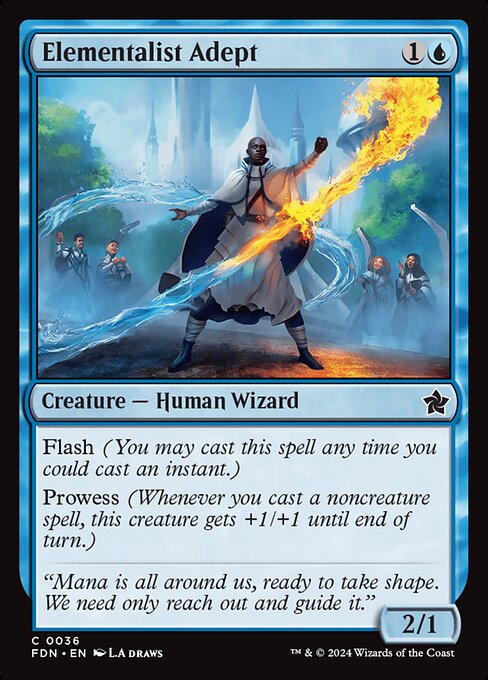
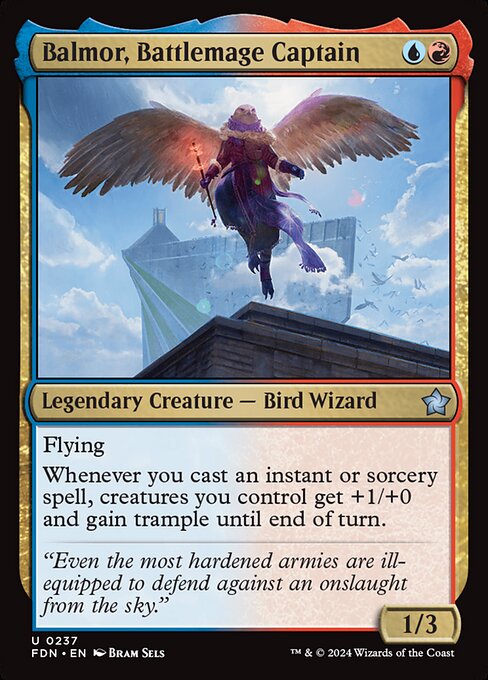
Burst Lightning triggers prowess and Balmor before it resolves. Casting another Elementalist Adept triggers neither merely because it has flash.
Cast the card from your graveyard by paying its flashback cost, then exile it when it leaves the stack.

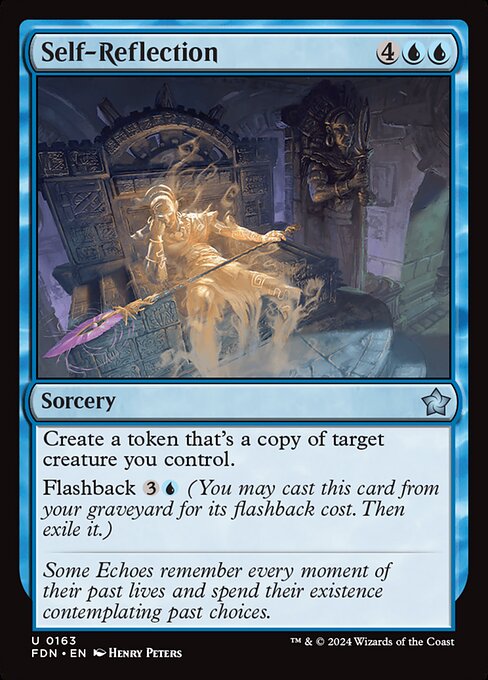
Think Twice can draw on an opponent's turn because it is an instant. Self-Reflection still needs sorcery timing even when its graveyard cost is cheaper.
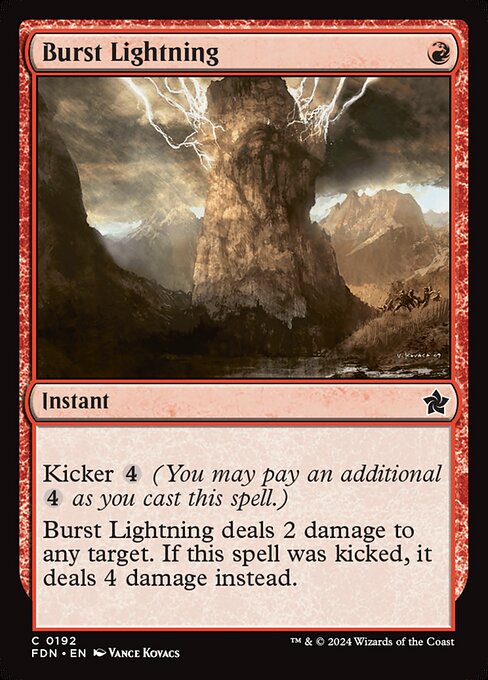
You may pay the stated extra cost as you cast the spell to receive its kicked effect. Ordinary kicker is paid at most once.
Choose an early two-mana Colony to fill the curve or pay five total for two counters later. That choice is made while casting, not after an opponent responds.
Morbid checks whether a creature died earlier in the turn. Any player's creature can qualify; death means moving from battlefield to graveyard.

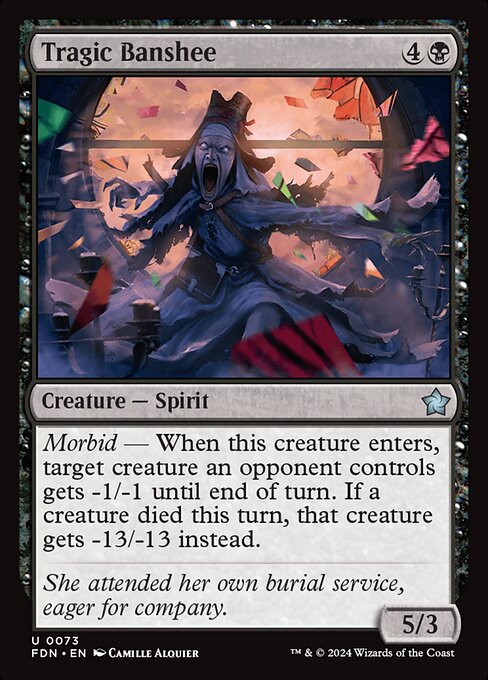
Trade a creature in combat, then cast Tragic Banshee for its larger reduction. If Wardens is present, that same earlier death can enable its end-step choice.
A life-gain trigger usually cares about each event, not the number of life points in that event. Separate lifelink creatures create separate events.

Several creatures entering with Dazzling Angel can grow Panda through several life-gain events. Lethal simultaneous combat damage still kills Panda before those new counters arrive.
When several creatures block one attacker, combat damage is assigned without announcing a blocker damage-assignment order. Players make their final normal responses before damage.

After blockers, choose tricks using the possible damage distributions. Felling Blow is a sorcery and cannot be held as a combat-step damage trick.
Planeswalkers use loyalty counters. Activate one loyalty ability of each planeswalker per turn, normally during your main phase with an empty stack.
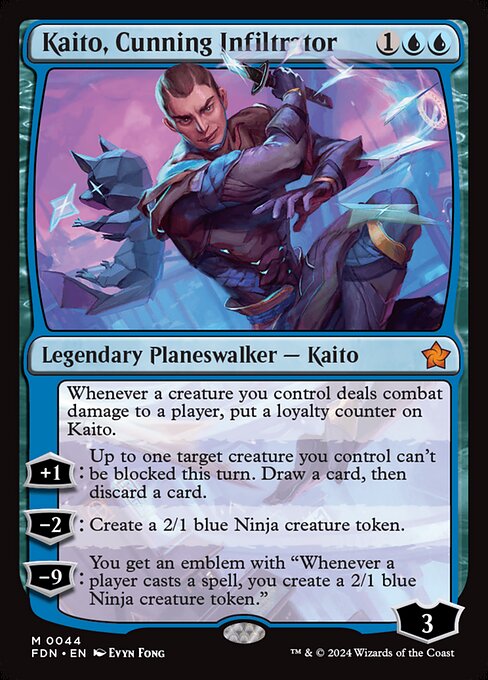
Kaito can make a Ninja to defend itself or make one of your creatures unblockable. Choose the ability for the current board before planning around a distant emblem.
Every word on the cards and in the deck plans, defined once. Find a term, read its wording, then see it on a card.
A +1/+1 counter adds one power and one toughness; a −1/−1 counter subtracts one of each. These counters stay until removed or the object changes zones.
Watch out: If a permanent has both kinds, matching pairs are removed as a state-based action. A temporary +1/+1 effect is not a counter.
Reduce the generic part of this spell’s cost by one for each permanent of the specified kind you control.
Watch out: It does not reduce the colored mana symbols. Check exactly what the card has affinity for.
When several creatures block one attacker, combat damage is assigned without announcing a blocker damage-assignment order. Players make their final normal responses before damage. Do not teach the old ordered-blocker trick or promise a response after the damage distribution is chosen but before it is dealt.
To counter a spell or ability is to remove it from the stack without its effects resolving. A countered spell normally goes to its owner’s graveyard.
Watch out: This use of “counter” is different from placing a marker such as a +1/+1 counter on a card.
Enough useful low-cost plays to act before your expensive threats.
Any positive amount of damage this source deals to a creature is enough to make that damage lethal.
Watch out: It works with a fight or other noncombat damage. Indestructible still prevents destruction.
This creature cannot attack.
Watch out: It can still block and use its abilities unless something else prevents that.
Move a permanent from the battlefield to its owner’s graveyard because an effect or lethal damage destroys it.
Watch out: Indestructible stops destruction. Sacrificing, exiling, and reducing toughness to 0 are different ways for a creature to leave.
Move a card from your hand to your graveyard.
Watch out: Discarding is not casting. It does not pay the card’s mana cost or produce its normal spell effect.
Follow what the card doubles: power adds a matching power increase, counters add as many of each named kind as already exist, and a damage replacement changes that damage event. Doubling zero counters still adds zero.
This creature deals combat damage in the first-strike damage step and again in the normal damage step if it is still in combat.
Watch out: If its blocker dies in the first step, a blocked attacker does not hit the player in the second step unless an ability such as trample allows it.
An Aura’s enchant line tells you what it may be attached to.
Watch out: An Aura cast as a spell targets what it will enchant. If it later becomes illegally attached, it normally goes to the graveyard.
Pay the equip cost to attach this Equipment to a target creature you control. Normally, activate equip only in your main phase when the stack is empty.
Watch out: The Equipment usually stays on the battlefield when the creature leaves. Moving it to another creature normally costs another equip activation.
Move the object to the exile zone. It is separate from the graveyard.
Watch out: A card in exile cannot normally be played. You need a rule or effect giving permission, such as a resolved Adventure.
This label points to an ability that cares about controlling a creature with power 4 or greater.
Watch out: The timing and benefit come from the rest of the printed ability. The word itself adds no rules.
The two creatures each deal damage equal to their power to the other at the same time.
Watch out: This is not combat. First strike and double strike do not add damage steps; deathtouch and lifelink still affect damage.
This creature deals combat damage in an earlier step, before creatures without first strike or double strike.
Watch out: A creature killed in that early damage step usually cannot deal its normal combat damage.
You may cast this spell when you could cast an instant, including during another player’s turn when you have priority.
Watch out: Flash changes when you may cast it. It does not let you cast from a different zone or avoid its costs.
You may cast this instant or sorcery from your graveyard by paying its flashback cost.
Watch out: Follow its normal timing. A spell cast with flashback is exiled when it leaves the stack, even if it is countered.
Cast the card from your graveyard by paying its flashback cost, then exile it when it leaves the stack. Casting with flashback removes the card from the graveyard, which may turn threshold off before the spell resolves.
An attacking creature with flying can be blocked only by creatures with flying or reach.
Watch out: A flying creature can block a creature without flying.
A standard Food token is an artifact with an ability costing two mana, tapping it, and sacrificing it to gain 3 life.
Watch out: Food is also an artifact type. Turning a card into a Food follows that effect’s text; the type alone does not grant an ability.
A standard Food token is a colorless artifact with “{2}, {T}, Sacrifice this token: You gain 3 life.” The whole payment produces one life-gain event, not three separate triggers.
This creature may attack and use abilities with the tap or untap symbol even if you have not controlled it since your turn began.
Watch out: It still needs to be untapped to attack or pay a tap cost.
A permanent with hexproof cannot be targeted by spells or abilities its controller’s opponents control.
Watch out: Its controller may target it. Effects that do not target can still affect it.
Hexproof from a stated quality prevents targeting by opposing spells and abilities of sources with that quality. Hexproof from instants does not stop a sorcery or a creature ability merely because it is used at instant speed.
Each split mana symbol can be paid using either half. For example, {W/U} costs one white or one blue mana; {2/B} costs two mana of any type or one black mana.
Watch out: Choose separately for each symbol. A {W/U} card is both white and blue even if you use only one color to cast it.
This permanent cannot be destroyed by lethal damage or an effect that says “destroy.”
Watch out: It can still be exiled or sacrificed. A creature with toughness 0 or less still goes to the graveyard.
As you cast the spell, you may pay its extra kicker cost. The card tells you what changes if you do.
Watch out: You decide and pay while casting. You do not get to add kicker after the spell has resolved.
You may pay the stated extra cost as you cast the spell to receive its kicked effect. Ordinary kicker is paid at most once. Burst Lightning with kicker costs five total mana, not four, and Gnarlid Colony's five-mana mode is still mana value two.
This label groups abilities that reward a land entering under your control. The rest of each card tells you its effect.
Watch out: A land entering from a spell can trigger landfall too. The label itself adds no rules; read the actual ability.
A life-gain trigger usually cares about each event, not the number of life points in that event. Separate lifelink creatures create separate events. Fiendish Panda's death return uses last battlefield power and cannot return a Bear, including another Panda.
When this source deals damage, its controller gains that much life at the same time.
Watch out: This also works for noncombat damage. It uses the damage actually dealt, not simply the creature’s printed power.
A planeswalker’s loyalty is the number of loyalty counters on it. Its loyalty costs add or remove counters, and damage removes that much loyalty.
Watch out: A planeswalker with 0 loyalty goes to the graveyard. Adding more counters does not let you activate it a second time in the same turn.
This attacking creature cannot be blocked by just one creature; at least two blockers are needed.
Watch out: It can still go unblocked. Losing one blocker after blocks are declared does not undo the original block.
Put the stated number of cards from the top of the named player’s library into that player’s graveyard.
Watch out: Milling is not drawing. An empty library makes you lose when you must draw from it, not merely when its last card is milled.
Morbid checks whether a creature died earlier in the turn. Any player's creature can qualify; death means moving from battlefield to graveyard. Exiling or returning a creature to hand is not a death, and a sacrificed noncreature artifact does not enable morbid.
Planeswalkers use loyalty counters. Activate one loyalty ability of each planeswalker per turn, normally during your main phase with an empty stack. Removing a planeswalker after its ability was activated does not remove that ability from the stack.
Protection prevents targeting, damage, attachment and blocking from the stated quality. Protection from everything still does not stop an untargeted instruction to destroy all creatures.
Whenever you cast a noncreature spell, this creature gets +1/+1 until the turn ends.
Watch out: Lands are not spells. The prowess trigger can resolve even if the spell that triggered it is countered.
Prowess gives its creature +1/+1 for the turn whenever you cast a noncreature spell. Lands are not spells. Balmor is narrower than prowess: it requires an instant or sorcery rather than every noncreature spell.
Raid rewards you if you attacked during the turn. The attacker need not hit a player, survive combat or be the card with raid. Raid does not require combat damage, and casting an entry-reward creature before your first attack misses its reward.
This creature may block creatures with flying.
Watch out: Reach does not give it flying or make its own attacks harder to block.
Move a permanent you control from the battlefield to its owner’s graveyard.
Watch out: Sacrifice is not destruction: indestructible does not stop it. You cannot sacrifice a teammate’s permanent unless an effect specifically permits it.
Repeated useful late cards may suggest an open color; one card is weak evidence.
If a permanent with a stun counter would untap, remove one stun counter instead and leave it tapped.
Watch out: The counter does not tap an untapped permanent by itself. Several stun counters can stop several separate untaps.
The actual cards and mana that let a payoff work.
Look at the stated number of cards from the top of your library. Put any number into your graveyard and the rest back on top in your chosen order.
Watch out: Surveil does not draw a card. Unlike scry, unwanted cards go to the graveyard instead of the bottom.
Tap means turn a permanent sideways; untap means return it upright. A tap symbol in a cost means you must tap that permanent to pay.
Watch out: Being tapped by another effect does not activate an ability or produce mana. Creatures normally cannot pay their own tap-symbol costs until you have controlled them since your turn began.
This label groups abilities that care about having seven or more cards in your graveyard.
Watch out: Count cards in your own graveyard. Read the ability to see when it checks the condition and what it changes.
Threshold abilities use seven or more cards in your graveyard. Read whether the particular reward is continuous or a triggered ability. Dreadwing Scavenger has a continuous bonus, not an intervening-if trigger; graveyard removal can make existing marked damage lethal.
An attacking creature can assign excess combat damage to what it is attacking after assigning lethal damage to every blocker.
Watch out: It does not automatically send all damage past a small blocker. Trample on a blocking creature does not send damage to the attacking player.
A standard Treasure token is an artifact you can tap and sacrifice to add one mana of any color.
Watch out: A Treasure is not a land. Using it spends the token; it does not remain for another turn.
Attacking does not tap this creature.
Watch out: It must still be untapped to be declared as an attacker. Vigilance does not remove summoning sickness.
An ability word for effects that count colors among permanents you control. Bloom Tender produces one mana of each color represented, not one for each permanent; colorless is not a color.
When an opponent’s spell or ability targets this permanent, ward triggers. That spell or ability is countered unless the opponent pays the ward cost.
Watch out: Ward is not hexproof: the opponent can target it and choose whether to pay. An effect that does not target does not trigger ward.
 Cephalid Inkmage
 Perforating Artist
 Balmor, Battlemage Captain
 Self-Reflection
 Tragic Banshee
 Dazzling Angel
 Felling Blow
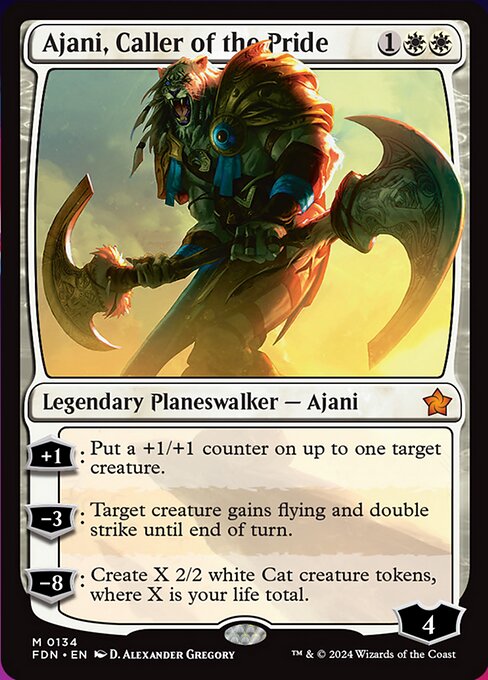 Ajani, Caller of the Pride
 Ajani's Pridemate
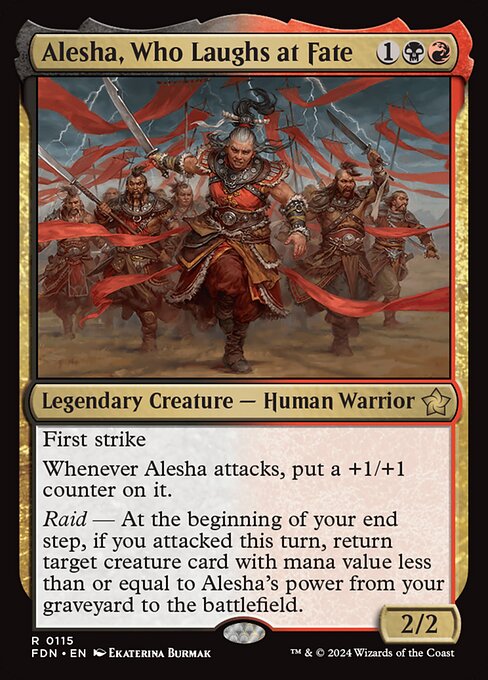 Alesha, Who Laughs at Fate
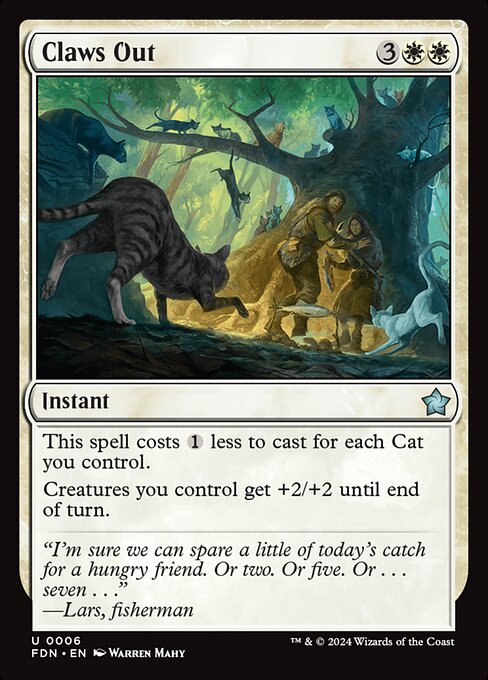 Claws Out
 Akroma's Memorial
 Ashroot Animist
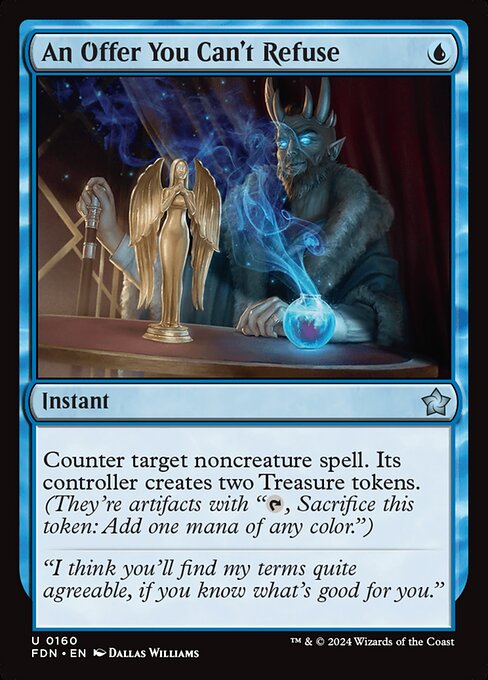 An Offer You Can't Refuse
 Cackling Prowler
 Curator of Destinies
 Bloodthirsty Conqueror
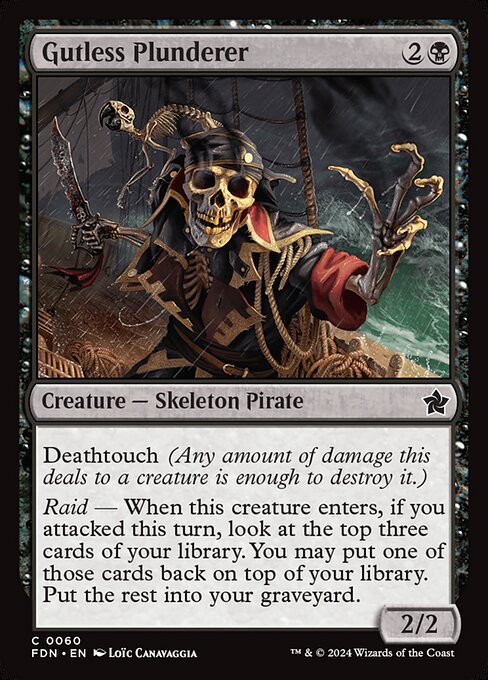 Gutless Plunderer
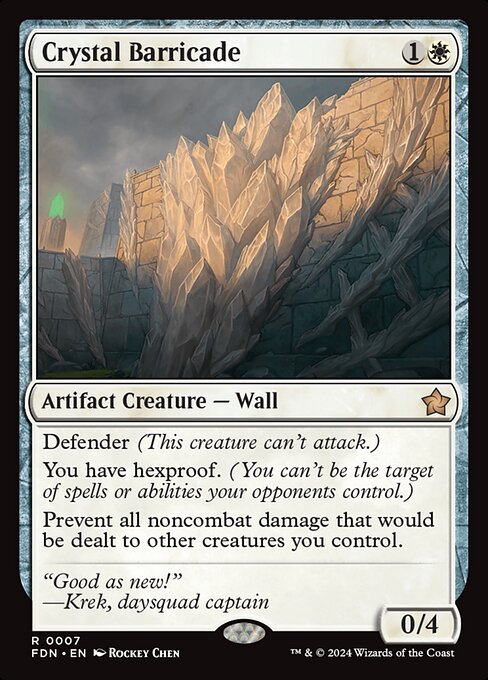 Crystal Barricade
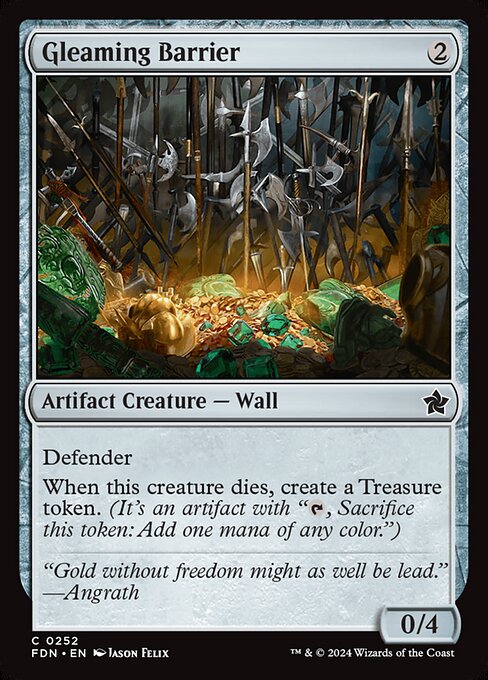 Gleaming Barrier
 Rune-Sealed Wall
 Abrade
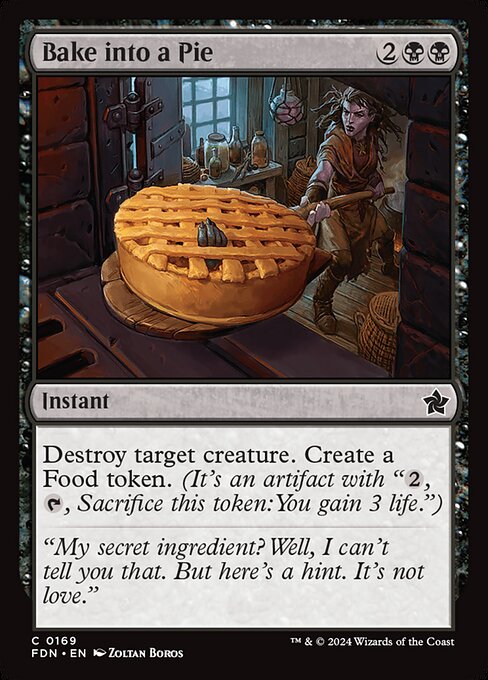 Bake into a Pie
 Broken Wings
 Arbiter of Woe
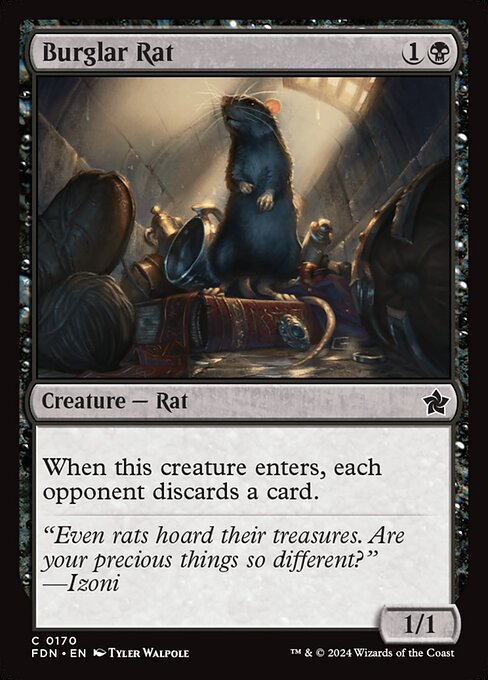 Burglar Rat
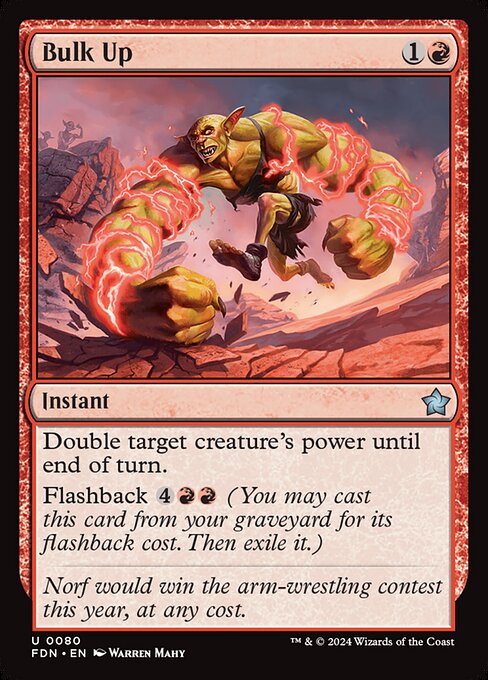 Bulk Up
 Mossborn Hydra
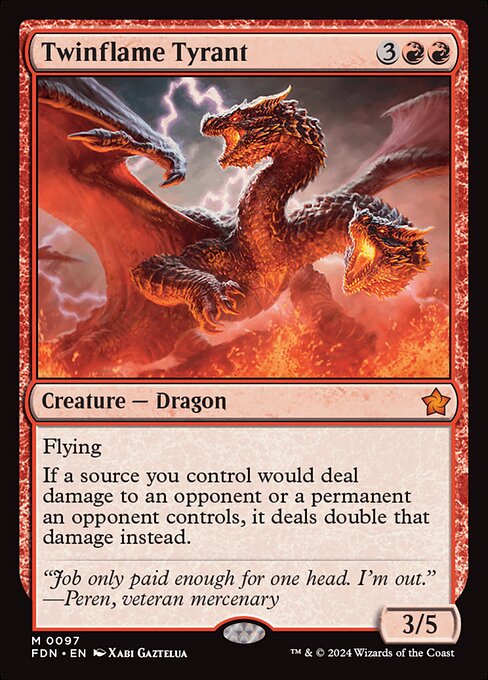 Twinflame Tyrant
 Embercleave
 Kellan, Planar Trailblazer
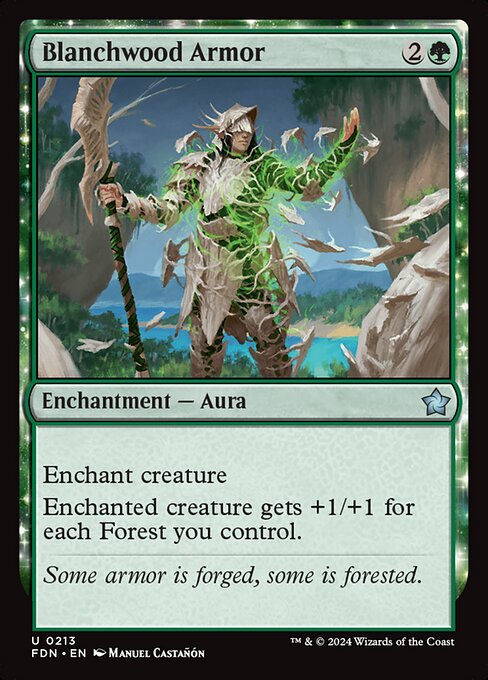 Blanchwood Armor
 Imprisoned in the Moon
 Twinblade Blessing
 Adventuring Gear
 Celestial Armor
 Abyssal Harvester
 Ambush Wolf
 Angel of Finality
 Flamewake Phoenix
 Affectionate Indrik
 Bushwhack
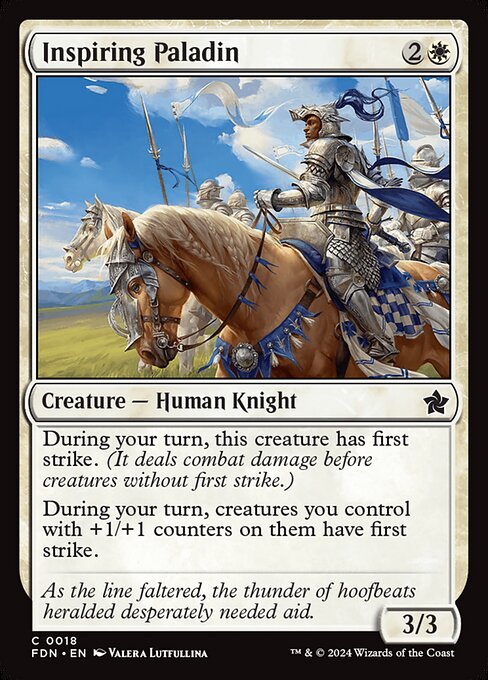 Inspiring Paladin
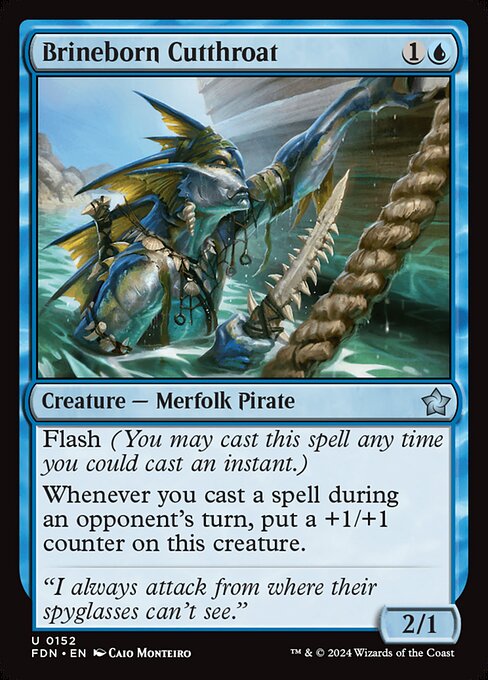 Brineborn Cutthroat
 Cathar Commando
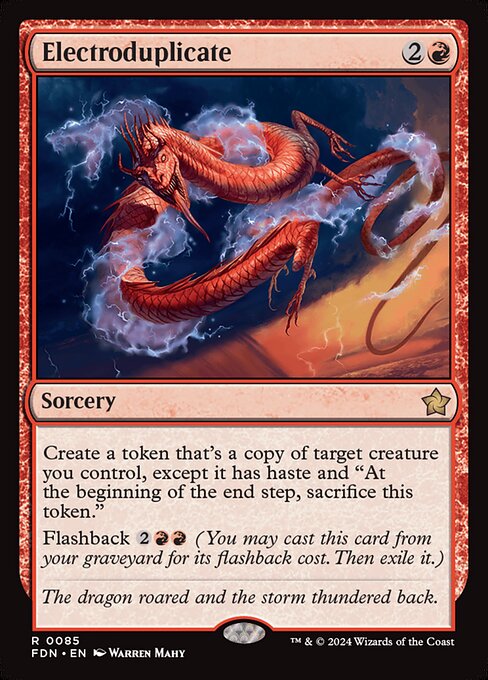 Electroduplicate
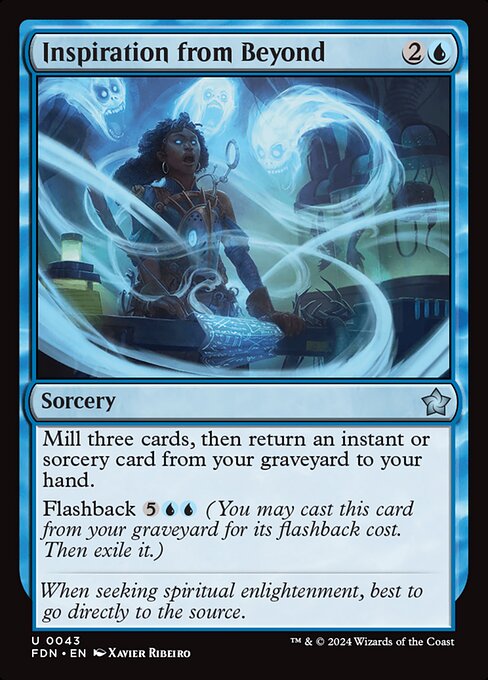 Inspiration from Beyond
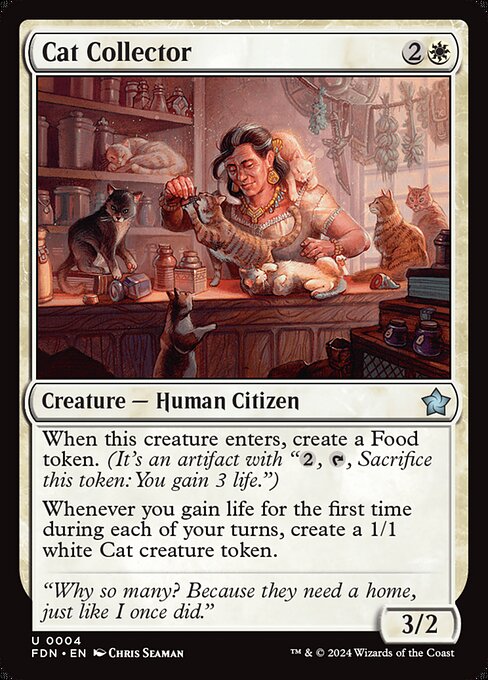 Cat Collector
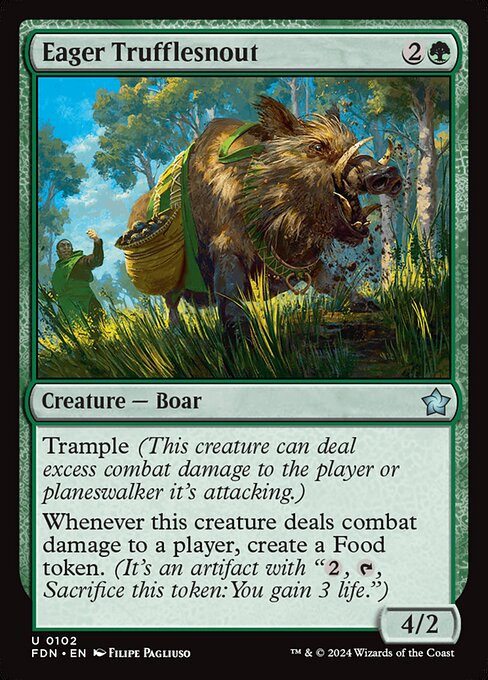 Eager Trufflesnout
 Axgard Cavalry
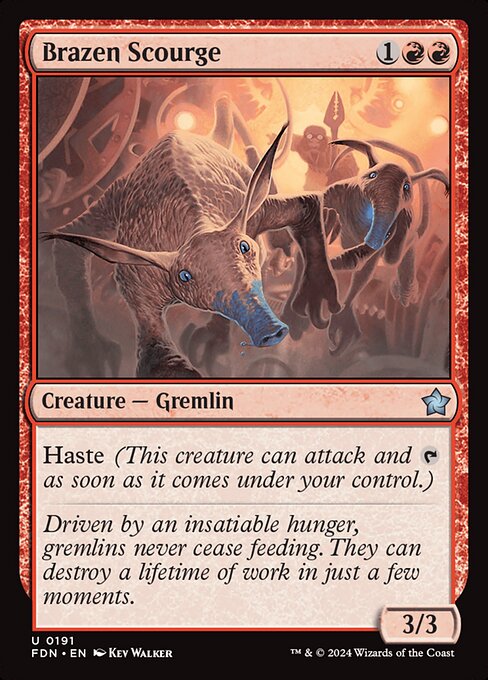 Brazen Scourge
 Elenda, Saint of Dusk
 Fiend Artisan
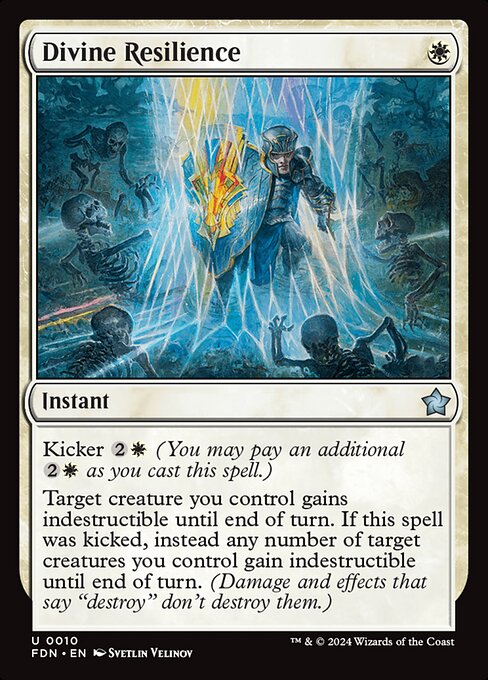 Divine Resilience
 Inspiring Call
 Elfsworn Giant
 Grappling Kraken
 Exemplar of Light
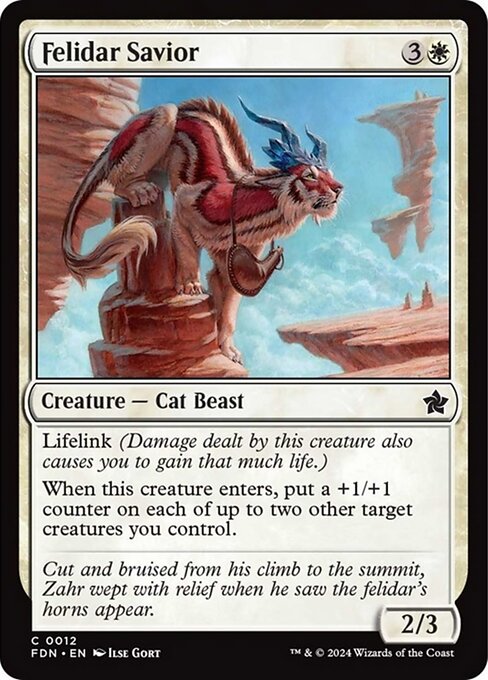 Felidar Savior
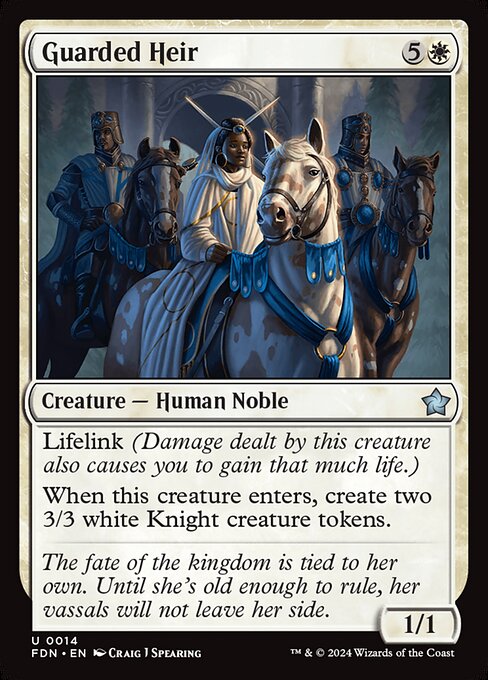 Guarded Heir
 Chandra, Flameshaper
 Battlesong Berserker
 Courageous Goblin
 Crypt Feaster
 Billowing Shriekmass
 Sphinx's Tutelage
 Needletooth Pack
 Slumbering Cerberus
 Progenitus
 Drake Hatcher
 Heartfire Immolator
 Gorehorn Raider
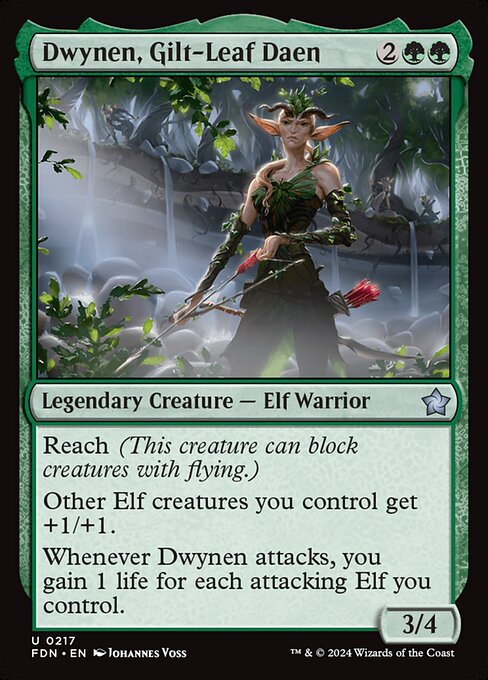 Dwynen, Gilt-Leaf Daen
 Sire of Seven Deaths
 Lightshell Duo
 Apothecary Stomper
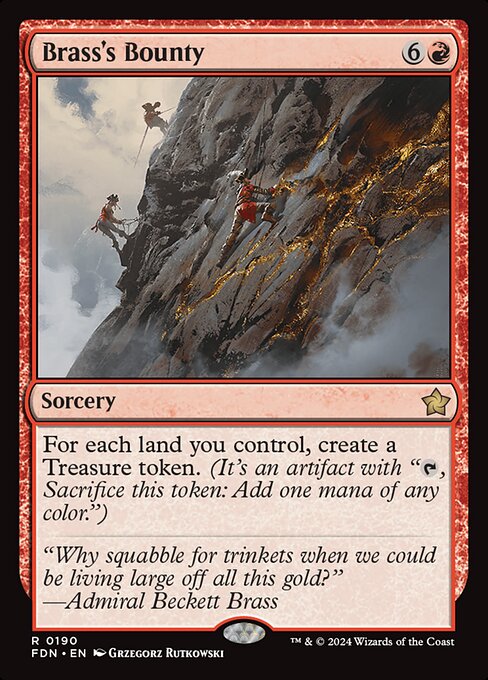 Brass's Bounty
 Fake Your Own Death
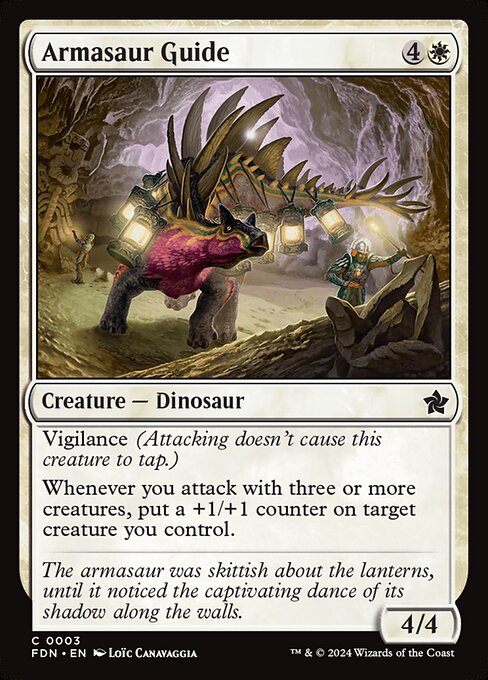 Armasaur Guide
 Bloom Tender
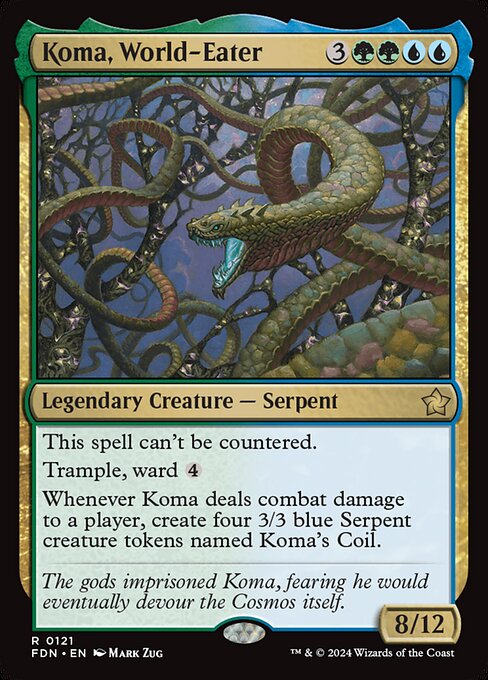 Koma, World-Eater