The first engine permanent gives you speed 1. Once each of your turns, an opponent losing life can raise it by one, up to max speed 4.
How it works
Starting at 1 is a state-based action, so no player responds between the permanent entering and speed starting. Later increases use a triggered ability.
Speed stays with you when engine permanents leave. Damage and direct life loss both qualify, but only on your turn and only one inherent increase per turn.
Uncommon · Creature — Lizard Berserker · At the table
Thrillseeker starts speed before its entry damage resolves. That damage can raise speed to 2 on your turn; Necroregent needs max speed before its end-step Zombie trigger exists.
Each exhaust ability can normally be activated only once for that particular permanent. It is a later use for mana, not an automatic once-per-turn bonus.
How it works
Use normal activated-ability timing unless that ability says otherwise; exhaustion itself does not restrict you to your main phase.
Leaving and returning creates a new permanent with a fresh exhaust ability. A card with separate exhaust abilities can activate each one.
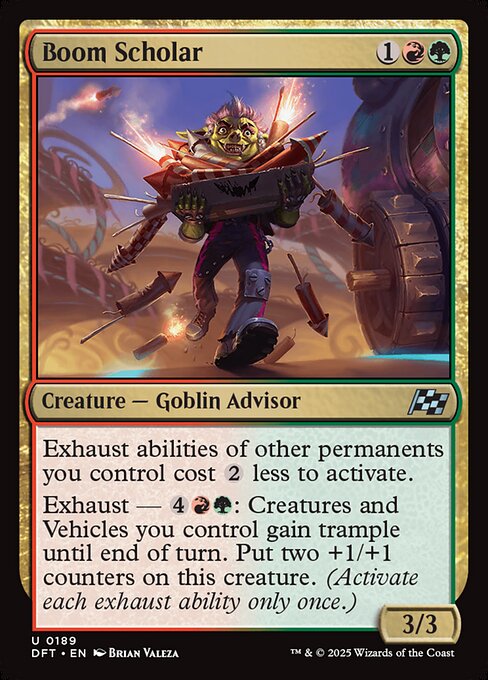
Uncommon · Creature — Goblin Advisor · At the table
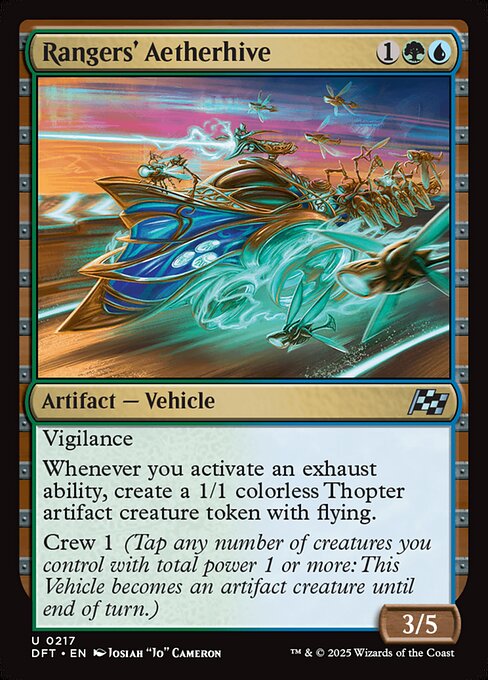
Activating a discounted exhaust ability with Aetherhive present creates a Thopter from its trigger before the exhaust ability resolves. Countering the activation does not refund its once-only use.
Common · Creature — Elemental Pirate · At the table
Cycling Magmakin Artillerist deals one to each opponent through its separate trigger before the draw. A Scrounging Skyray already on the battlefield also receives a discard counter.
Tap untapped creatures with enough total power to make a Vehicle an artifact creature until end of turn. Crew itself can be activated at instant speed.
How it works
Creatures that just entered may pay crew because the cost does not use their own tap symbol. The Vehicle still needs haste or to have been under your control since your turn began to attack.
A crewed Vehicle can block or be a creature target. Its printed crew cost does not mean it arrives as a creature.
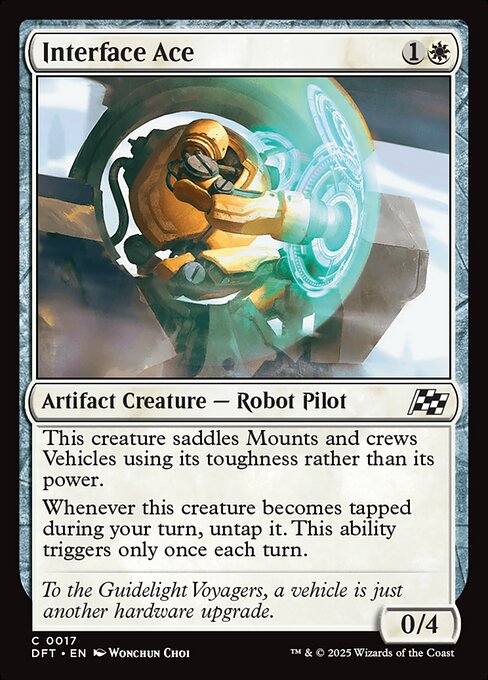
Flash in Burner Rocket to pump an existing creature. Later use Interface Ace to crew a Vehicle using its toughness, then resolve Ace's once-per-turn untap trigger before using it again.
During your main phase with an empty stack, tap other untapped creatures with enough total power to saddle a Mount for the turn.
How it works
A Mount is already a creature and can attack or block without being saddled. Its saddled attack reward requires it to be saddled when declared as an attacker.
Saddling is different from crew. Removing the creatures that paid the cost does not reverse a completed saddle action.
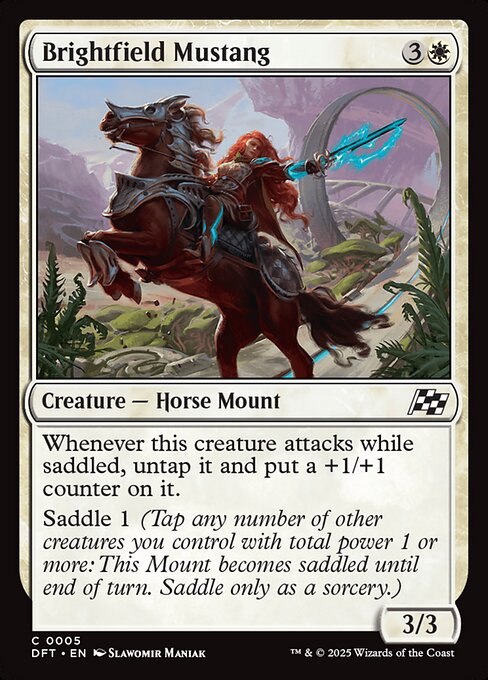
Use Canyon Vaulter to saddle the Mustang in your main phase, granting flying. Its saddled attack adds a counter and untaps it, leaving it able to block if it survives.
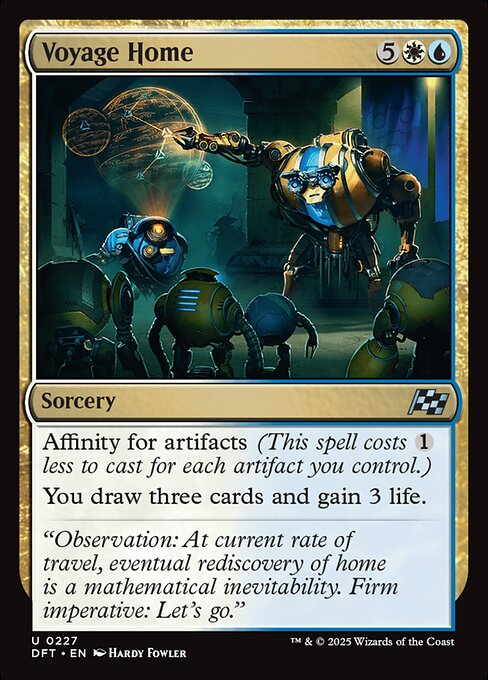
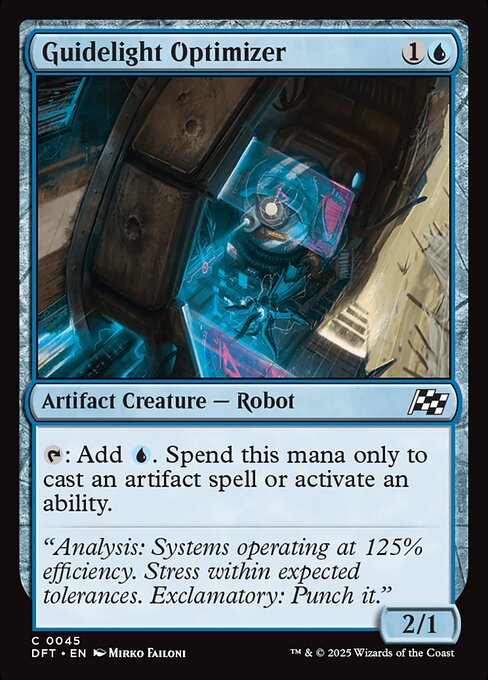
Several inexpensive artifacts make Voyage Home easier to cast, but you still need white and blue. Optimizer's restricted mana cannot cast Voyage Home because it is not an artifact spell.
A +1/+1 counter adds one power and one toughness; a −1/−1 counter subtracts one of each. These counters stay until removed or the object changes zones.
Watch out: If a permanent has both kinds, matching pairs are removed as a state-based action. A temporary +1/+1 effect is not a counter.
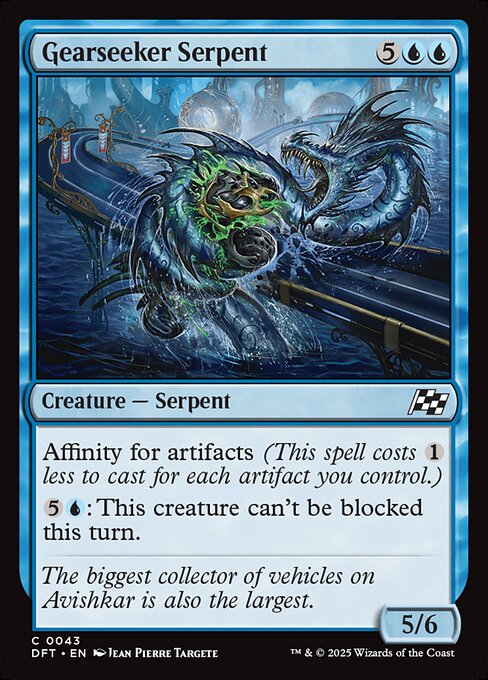
Reduce a spell's generic cost by one for each artifact you control. Colored requirements remain, and each artifact counts once. An artifact creature is one artifact, not two, and affinity does not lower activated-ability costs.
Tap untapped creatures with enough total power to make a Vehicle an artifact creature until end of turn. Crew itself can be activated at instant speed. Burner Rocket cannot be crewed in time to become its own entry-trigger target: targets are chosen before players get priority.
Pay the cycling cost and discard the card to draw a card. This is an activated ability, not a spell. A spell counter does not counter cycling, and a card cycled out of your hand is not a creature on the battlefield.
This creature deals combat damage in the first-strike damage step and again in the normal damage step if it is still in combat.
Watch out: If its blocker dies in the first step, a blocked attacker does not hit the player in the second step unless an ability such as trample allows it.
Pay the equip cost to attach this Equipment to a target creature you control. Normally, activate equip only in your main phase when the stack is empty.
Watch out: The Equipment usually stays on the battlefield when the creature leaves. Moving it to another creature normally costs another equip activation.
Choose to have the permanent skip untapping during your next untap step. Exerting does not itself tap it; the ability or attack instruction supplies the other costs and effects.
Each exhaust ability can normally be activated only once for that particular permanent. It is a later use for mana, not an automatic once-per-turn bonus. A generic-cost discount does not remove colored mana, and Boom Scholar discounts other permanents rather than itself.
While casting the spell, each untapped artifact you tap pays one generic mana. It cannot pay colored mana, and an artifact tapped for its mana ability cannot also be tapped for improvise.
Move a permanent you control from the battlefield to its owner’s graveyard.
Watch out: Sacrifice is not destruction: indestructible does not stop it. You cannot sacrifice a teammate’s permanent unless an effect specifically permits it.
During your main phase with an empty stack, tap other untapped creatures with enough total power to saddle a Mount for the turn. Canyon Vaulter grants flying only if it crews or saddles during your main phase; a combat-phase crew activation misses that trigger.
The first engine permanent gives you speed 1. Once each of your turns, an opponent losing life can raise it by one, up to max speed 4. Several engine permanents or several damage events do not automatically add several speed increases in one turn.
Tap means turn a permanent sideways; untap means return it upright. A tap symbol in a cost means you must tap that permanent to pay.
Watch out: Being tapped by another effect does not activate an ability or produce mana. Creatures normally cannot pay their own tap-symbol costs until you have controlled them since your turn began.
An attacking creature can assign excess combat damage to what it is attacking after assigning lethal damage to every blocker.
Watch out: It does not automatically send all damage past a small blocker. Trample on a blocking creature does not send damage to the attacking player.

 Risen Necroregent
 Rangers' Aetherhive

 Scrounging Skyray

 Interface Ace
 Canyon Vaulter
 Guidelight Optimizer
 Aatchik, Emerald Radian
 Adrenaline Jockey
 Afterburner Expert
 Demonic Junker
 Gearseeker Serpent
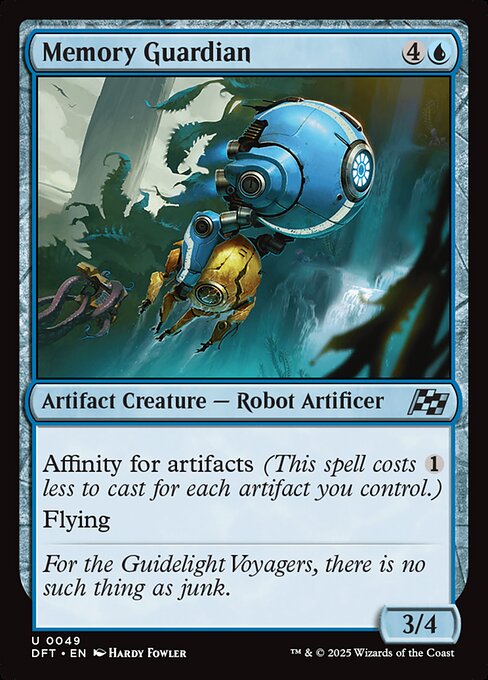 Memory Guardian
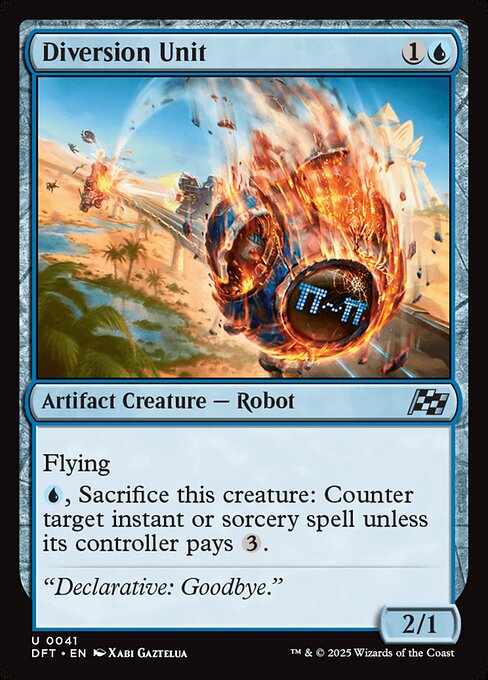 Diversion Unit
 Spectral Interference
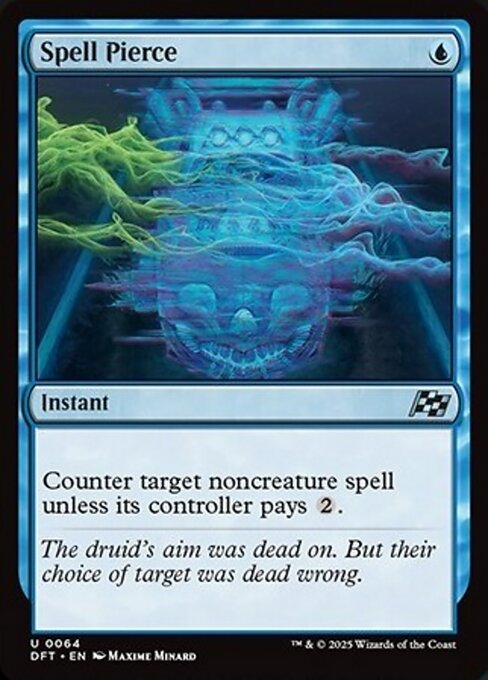 Spell Pierce
 Air Response Unit
 Apocalypse Runner
 Boommobile
 Back on Track
 Agonasaur Rex
 Basri, Tomorrow's Champion
 Chitin Gravestalker
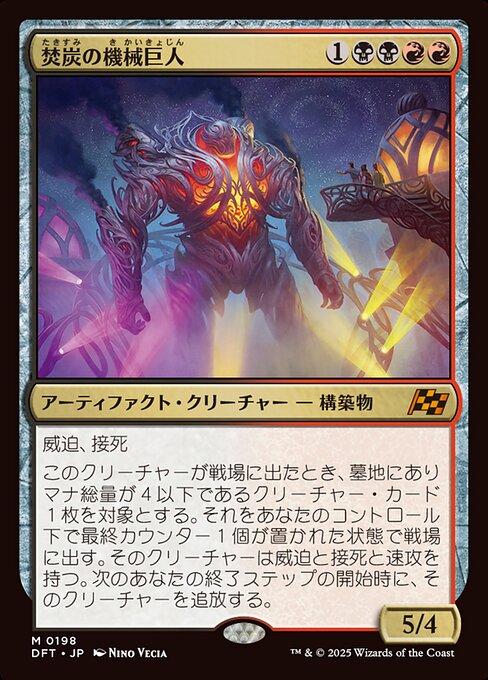 Coalstoke Gearhulk
 Engine Rat
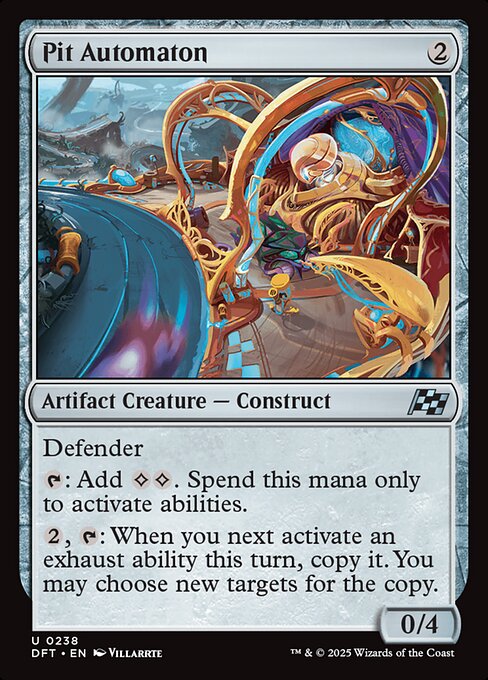 Pit Automaton
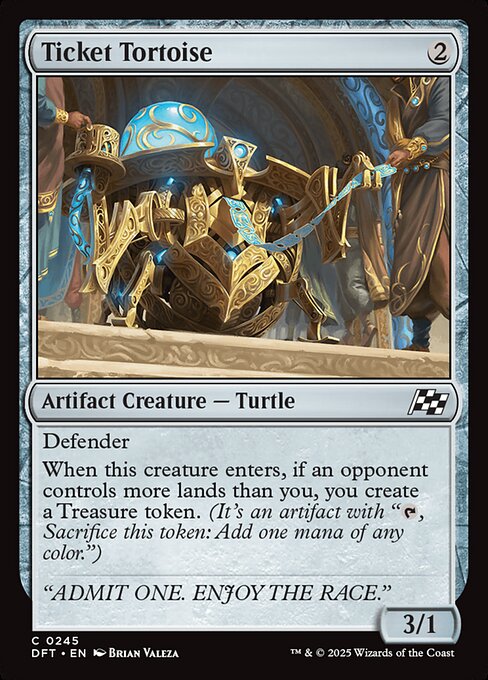 Ticket Tortoise
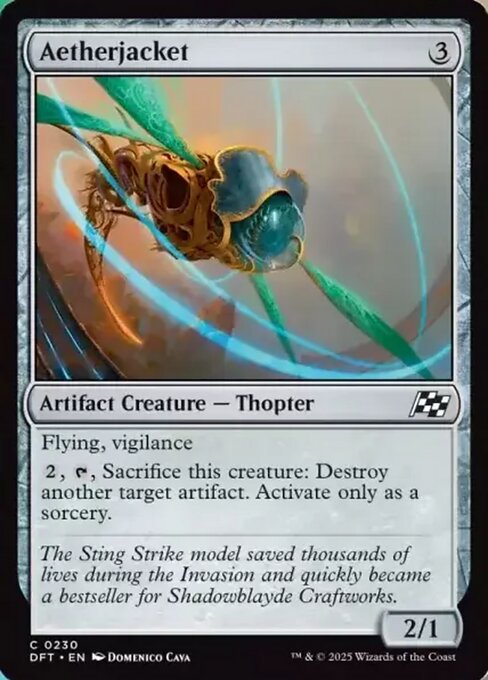 Aetherjacket
 Broken Wings
 Cavalier of Dawn
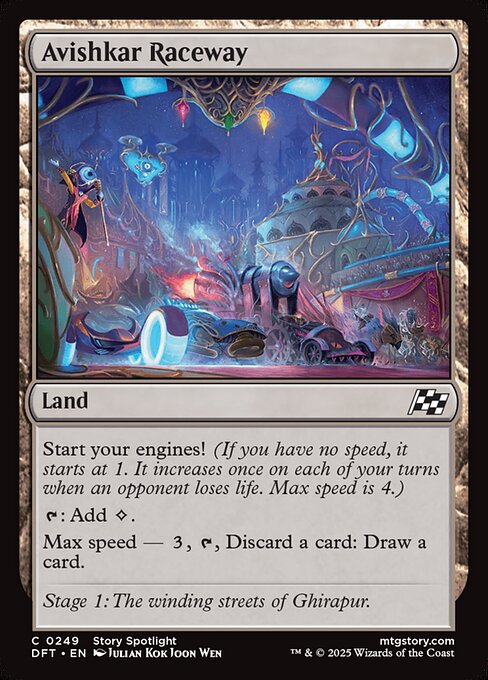 Avishkar Raceway
 Burnout Bashtronaut
 Loot, the Pathfinder
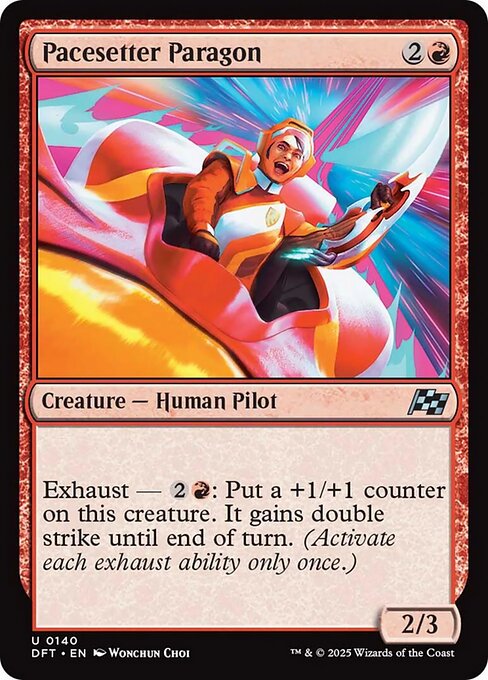 Pacesetter Paragon
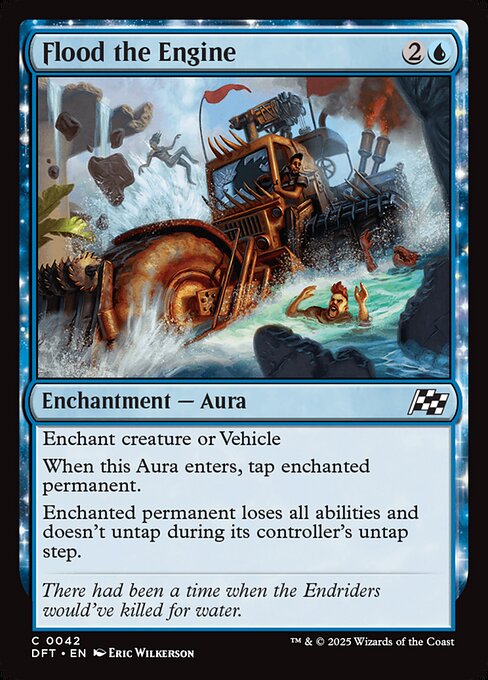 Flood the Engine
 Lightwheel Enhancements
 Roadside Assistance
 Rover Blades
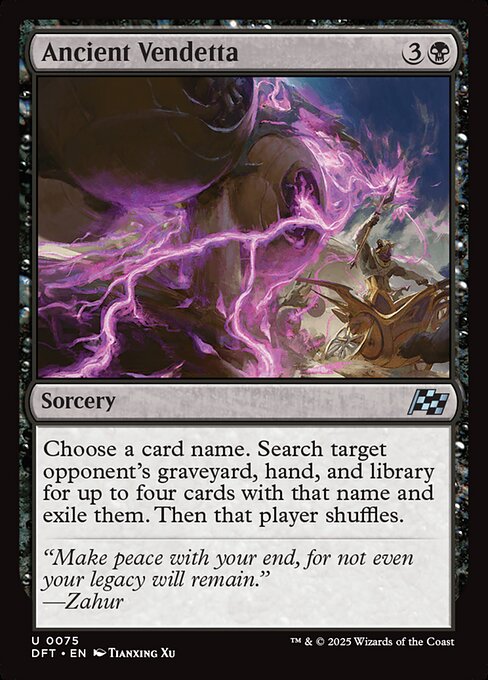 Ancient Vendetta
 Chrome Mox
 Plow Through
 Gastal Thrillroller
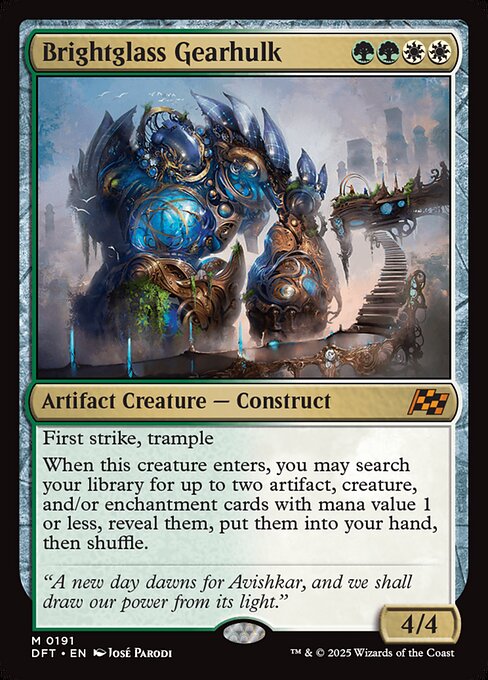 Brightglass Gearhulk
 Leonin Surveyor
 Pedal to the Metal
 Fang Guardian
 Silken Strength
 Brightfield Glider
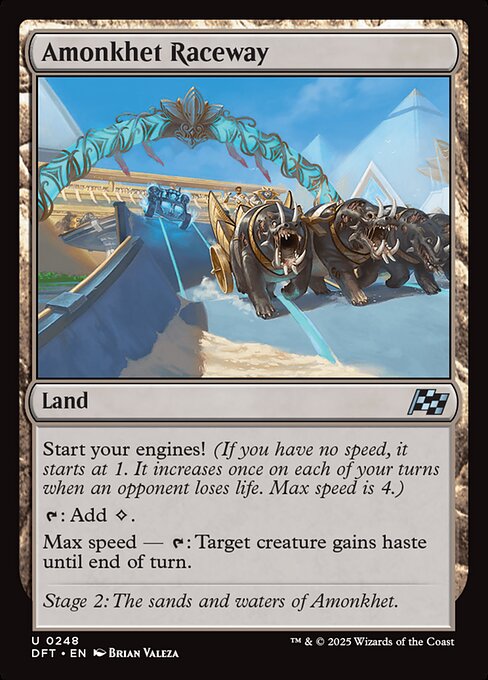 Amonkhet Raceway
 Bloodghast
 Chandra, Spark Hunter
 Bulwark Ox
 Defend the Rider
 Whir of Invention
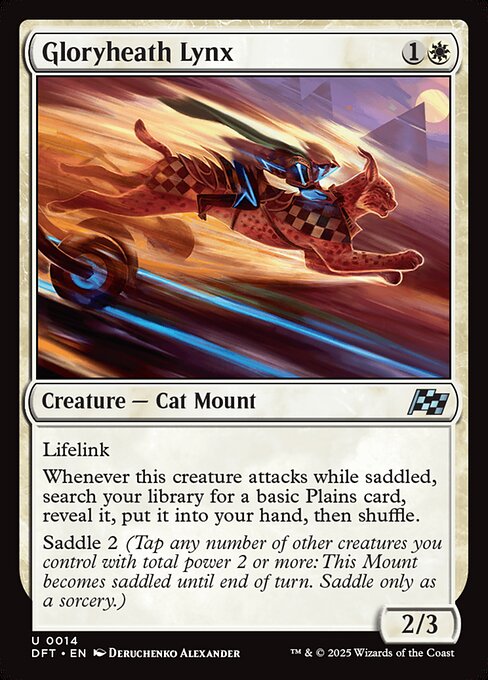 Gloryheath Lynx
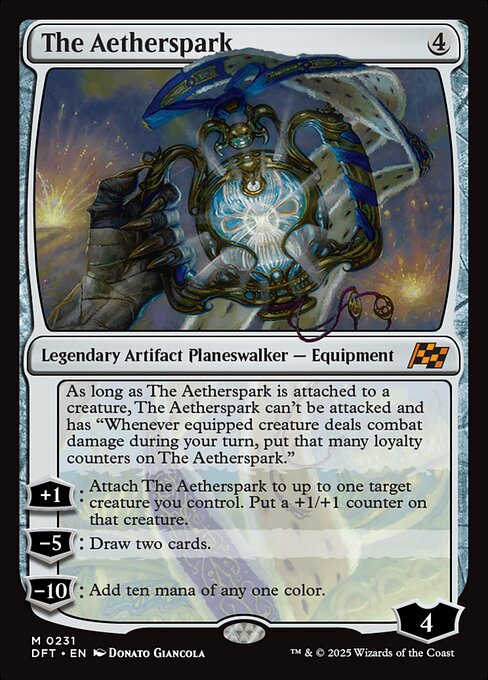 The Aetherspark
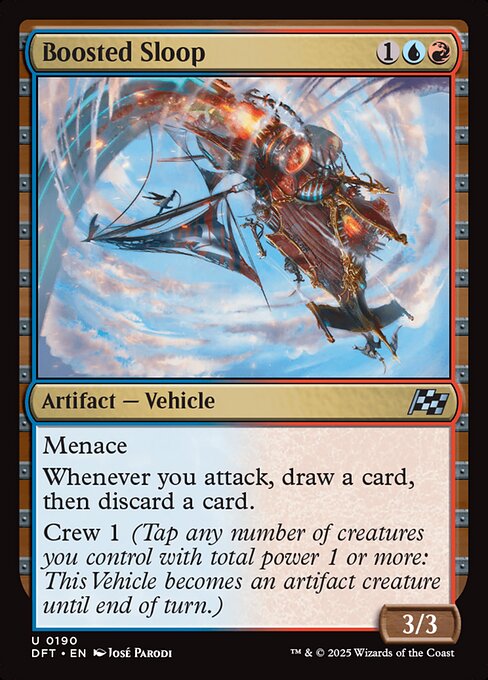 Boosted Sloop
 Clamorous Ironclad
 Galvanic Blast
 Aether Syphon
 Carrion Cruiser
 Dredger's Insight
 Riptide Gearhulk
 Endrider Spikespitter
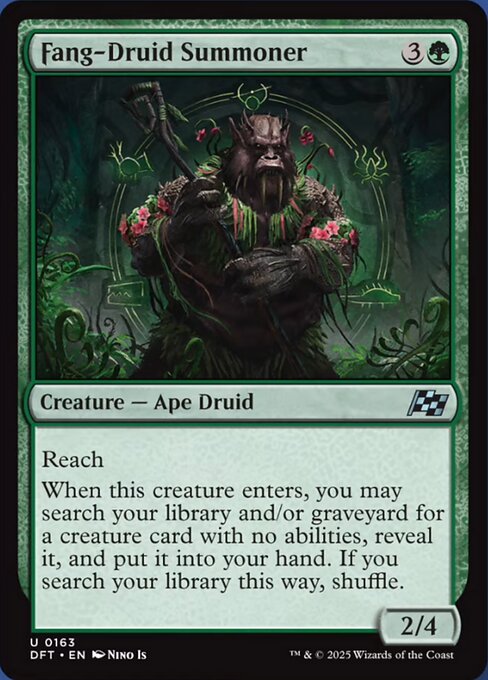 Fang-Druid Summoner
 Hazard of the Dunes
 Broodheart Engine
 Alacrian Armory
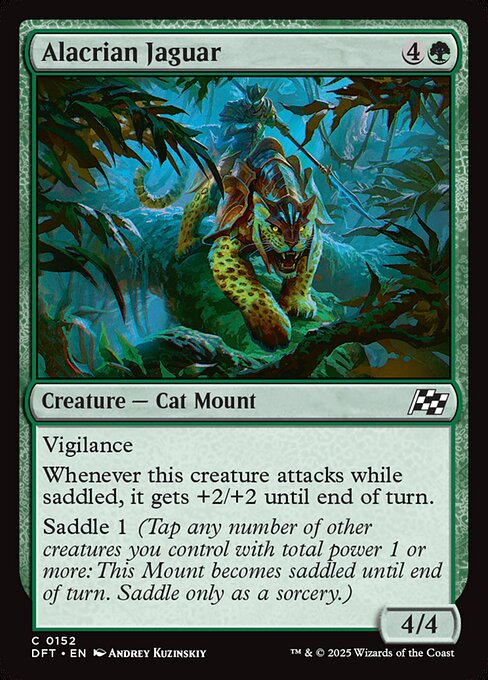 Alacrian Jaguar
 Autarch Mammoth
 Cloudspire Coordinator
 Spotcycle Scouter
 Voyager Glidecar
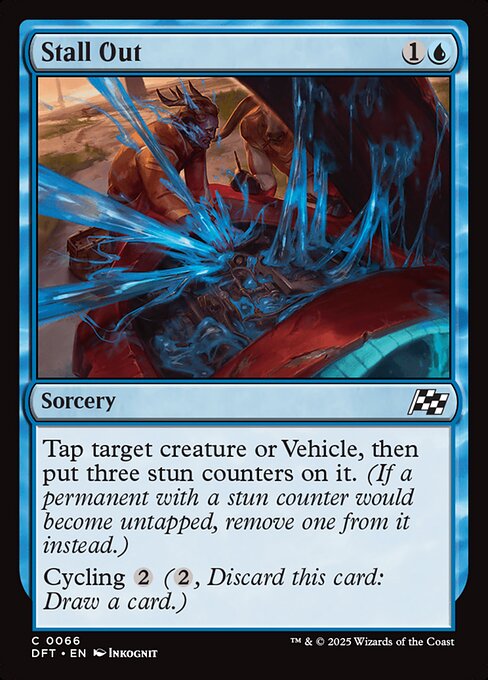 Stall Out
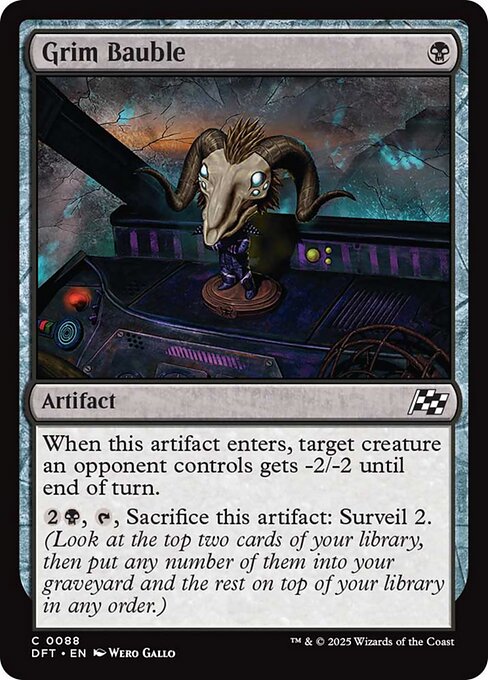 Grim Bauble
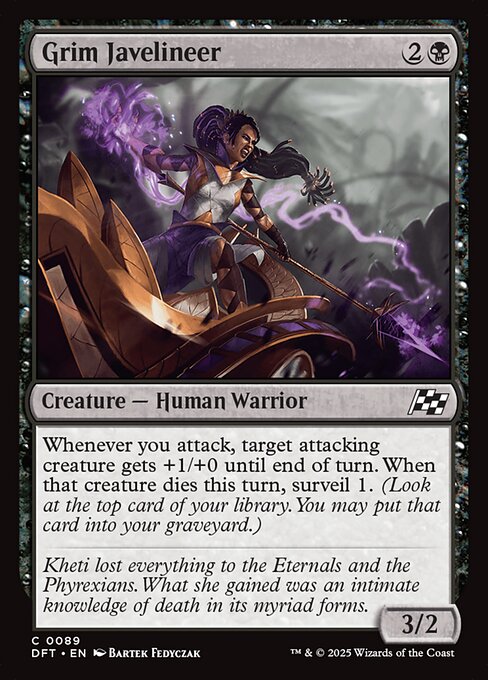 Grim Javelineer
 Bestow Greatness
 Gilded Ghoda
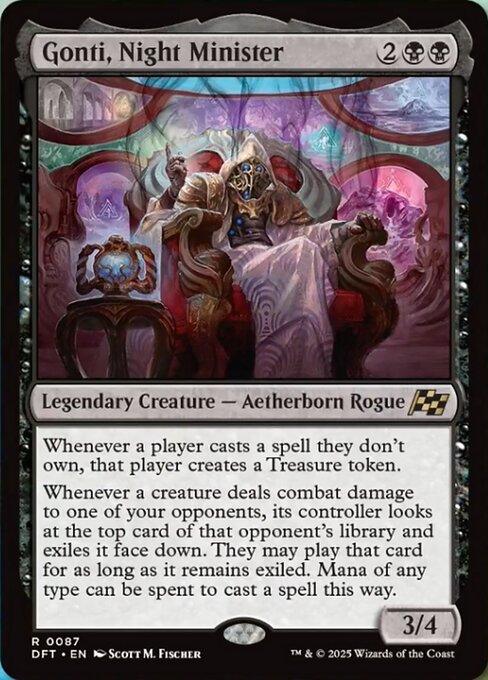 Gonti, Night Minister
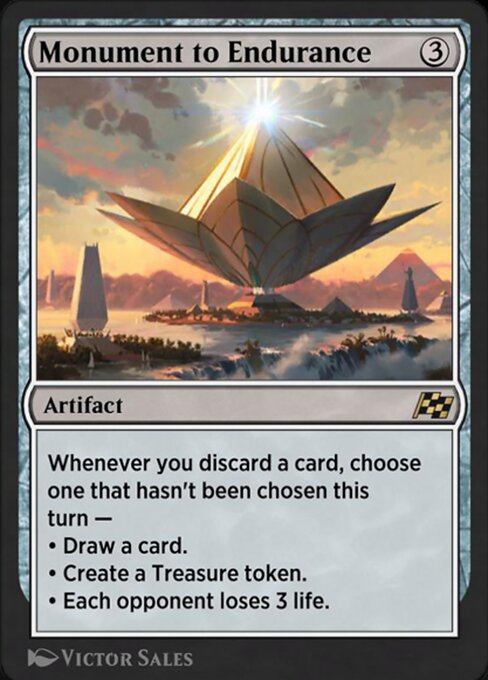 Monument to Endurance
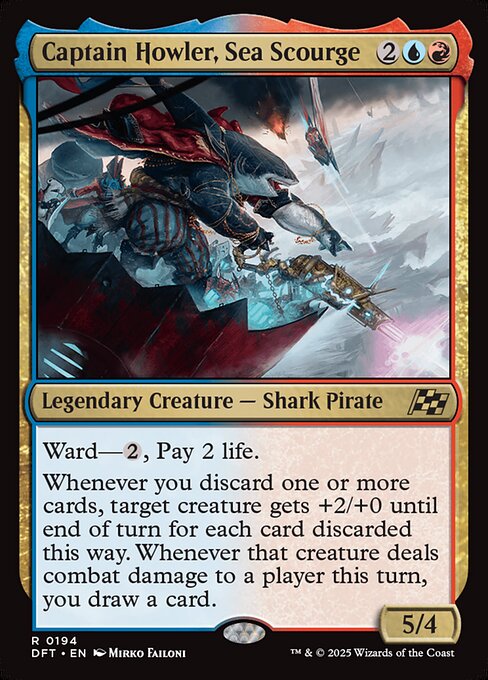 Captain Howler, Sea Scourge
 Guardian Sunmare
 Oildeep Gearhulk