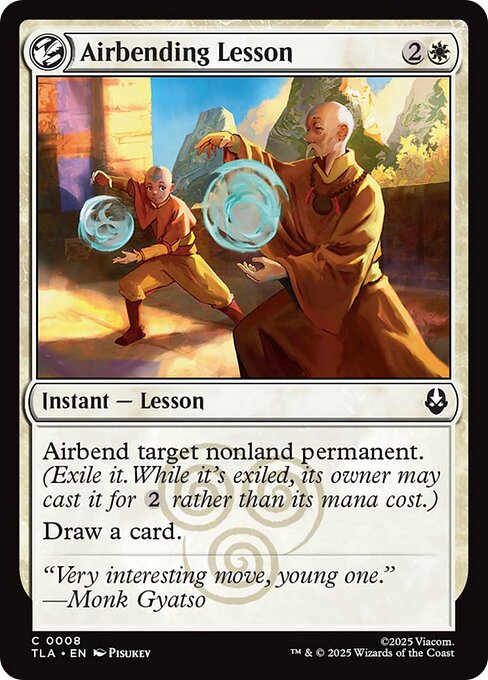
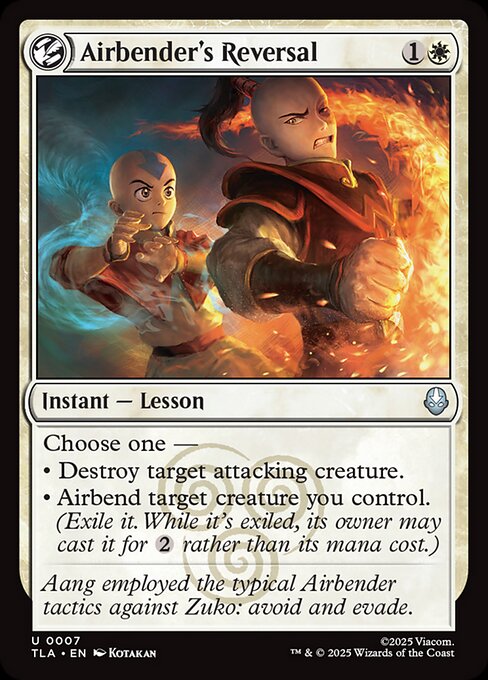
Airbending Exile the target. Its owner may cast that card from exile for two generic mana, using normal timing.
How it works Choose a legal target and exile it when the effect resolves. The owner can cast the exiled card for {2}; a creature without flash normally waits until their main phase. Tokens cease to exist after leaving the battlefield, so they cannot return this way. On the card Airbending Lesson Common · Instant — Lesson · At the table
Airbending Lesson is an instant: move a blocker, remove a token permanently, or save your own creature from removal. The exiled card can be cast for two mana later, but a creature still needs normal creature timing.
Watch out Airbending does not immediately return the card. An airbent land cannot be cast; the permission is to cast, not to play a land. Rules detail & sources Matt Tabak · Avatar mechanics · Eliana Rabinowitz · Avatar release notes
Firebending An attacking creature makes red mana equal to its firebending number. Spend it during that combat.
How it works Declare the creature as an attacker; its trigger goes on the stack. After the trigger resolves, spend the red mana on instants or abilities when allowed. Unused firebending mana disappears when combat ends. On the card Fire Nation Cadets Common · Creature — Human Soldier · At the table
With a Lesson in the graveyard, Fire Nation Cadets produces {R}{R} when it attacks. Its {2} ability can use that mana to increase its power.
Watch out The mana cannot pay for a normal creature in your second main phase. It is red mana, not any color; it may pay generic costs but not a blue symbol. Rules detail & sources Matt Tabak · Avatar mechanics · Eliana Rabinowitz · Avatar release notes
Waterbending Pay a stated mana cost. Each untapped creature or artifact you tap can pay one generic mana of it.
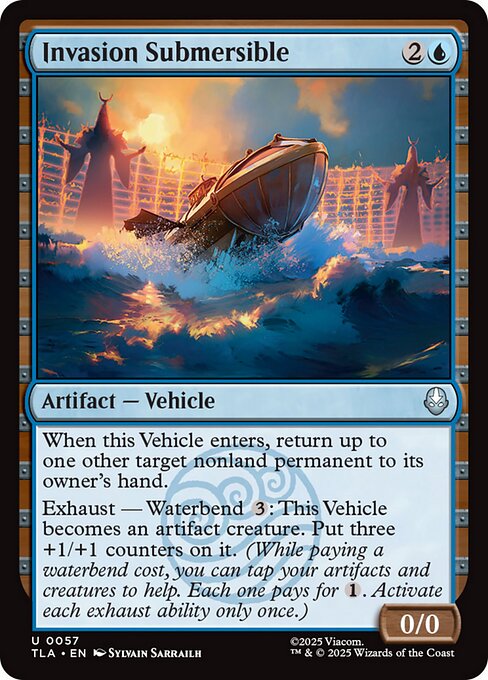
How it works Choose the ability or spell and pay all its costs. For each generic mana in the waterbend cost, either pay mana or tap an untapped artifact or creature. A newly cast creature can help. A single permanent cannot be tapped twice for the same payment. On the card Invasion Submersible Uncommon · Artifact — Vehicle · At the table
Invasion Submersible can tap itself and two other untapped artifacts or creatures to pay waterbend {3}. A Clue helps without being sacrificed.
Watch out Do not tap your only blockers early without a reason. If a creature must tap for a separate tap-symbol cost, it cannot also pay a waterbend portion with the same tap. Rules detail & sources Matt Tabak · Avatar mechanics · Eliana Rabinowitz · Avatar release notes
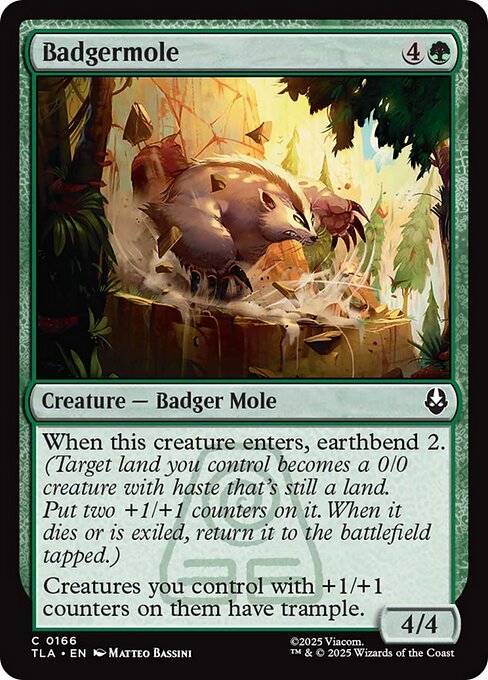
Earthbending Turn your land into a 0/0 creature with haste and add the stated number of +1/+1 counters. It remains a land.
How it works Target a land you control. When the effect resolves, it becomes a creature and gets counters. It can attack immediately if untapped, but tapping it for mana means it cannot also attack. If it dies or is exiled, the delayed trigger returns it tapped as a new land with no counters. On the card Badgermole Common · Creature — Badger Mole · At the table
Badgermole earthbends for two. That land is a 2/2 with haste and has trample while Badgermole remains in play.
Watch out Returning to your hand or library is not dying or being exiled, so the return trigger does not help. Earthbending an already earthbent land adds more counters; it does not replace existing counters. Rules detail & sources Matt Tabak · Avatar mechanics · Eliana Rabinowitz · Avatar release notes
Lessons Lesson is an instant or sorcery subtype. The word itself adds no extra action; other cards reward casting Lessons or putting them in your graveyard.
How it works Look for “Lesson” on the type line. Cast it normally and follow its rules text. After it resolves, it usually goes to the graveyard, where other cards may count it. On the card Accumulate Wisdom Uncommon · Instant — Lesson · At the table
Accumulate Wisdom checks for three Lessons already in the graveyard. The copy you are casting is still on the stack and does not count itself.
Watch out This set does not use learn to fetch Lessons from outside the game. A Lesson exiled or returned to your hand no longer counts in the graveyard. Rules detail & sources Matt Tabak · Avatar mechanics · Eliana Rabinowitz · Avatar release notes Each exhaust ability can normally be activated once for that permanent. It is an activated ability, not a spell.
How it works Pay the full printed cost at a legal time. Remember that this ability has been used. A card that leaves and returns is a new permanent and can use its exhaust ability again. On the card Invasion Submersible Uncommon · Artifact — Vehicle · At the table
Invasion Submersible becomes a creature after you pay its exhaust cost. Bouncing and replaying it creates a new Vehicle, but costs time and mana.
Watch out Unused mana does not let you activate the same exhaust ability a second time. A specific “only during your turn” restriction still applies. Rules detail & sources Matt Tabak · Avatar mechanics · Eliana Rabinowitz · Avatar release notes A Saga tells a story through chapter abilities. The last chapter of these Sagas exiles the card and returns its creature face.
How it works It enters with its first lore counter; chapter I triggers. At the start of your first main phase, add a lore counter and trigger the next chapter. Follow the final chapter’s transform instructions. The returning creature is a new permanent. On the card The Legend of Yangchen // Avatar Yangchen Mythic · Enchantment — Saga // Legendary Creature — Avatar · At the table
Read all chapters of The Legend of Yangchen before casting it. Keep the reverse side handy so everyone knows what will enter after the final chapter.
Watch out It does not gain a lore counter in upkeep. The new creature normally cannot attack immediately unless it has haste. Rules detail & sources Matt Tabak · Avatar mechanics · Eliana Rabinowitz · Avatar release notes
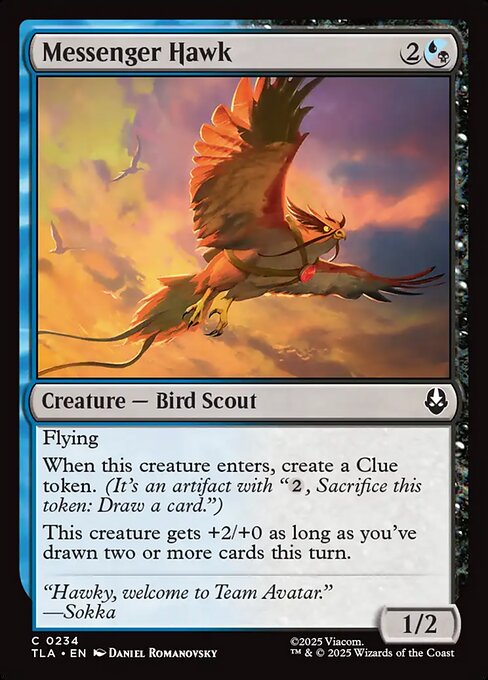
Clues A Clue is an artifact token with “{2}, sacrifice this token: draw a card.” It also counts as an artifact for waterbending.
How it works Make the Clue when the effect tells you to. You may tap it to help waterbend without using it up. You may later pay two mana and sacrifice it to draw, even if it is tapped. On the card Messenger Hawk Common · Creature — Bird Scout · At the table
Messenger Hawk creates a Clue. On your next turn, your normal draw plus a Clue draw makes two cards drawn and gives Hawk its bonus.
Watch out Creating a Clue does not itself draw a card. Directly creating a Clue is not the keyword action investigate. Rules detail & sources Matt Tabak · Avatar mechanics · Eliana Rabinowitz · Avatar release notes
Allies Ally is a creature type. It has no built-in ability, but cards can reward you for controlling Allies or for Allies entering.
How it works Check the type line for Ally. Read whether the reward cares about another Ally, any Ally, or the number of Allies. Include enough cheap Allies for the reward to happen regularly. On the card White Lotus Reinforcements Uncommon · Creature — Human Soldier Ally · At the table
White Lotus Reinforcements gives other Allies +1/+1. It does not give itself the bonus.
Watch out Not every named character is an Ally. A reward that says “other” excludes the card with that ability. Rules detail & sources Matt Tabak · Avatar mechanics · Eliana Rabinowitz · Avatar release notes
Distinctions that prevent mistakes 6 Wordings that look familiar and are not. Read them before your first game.
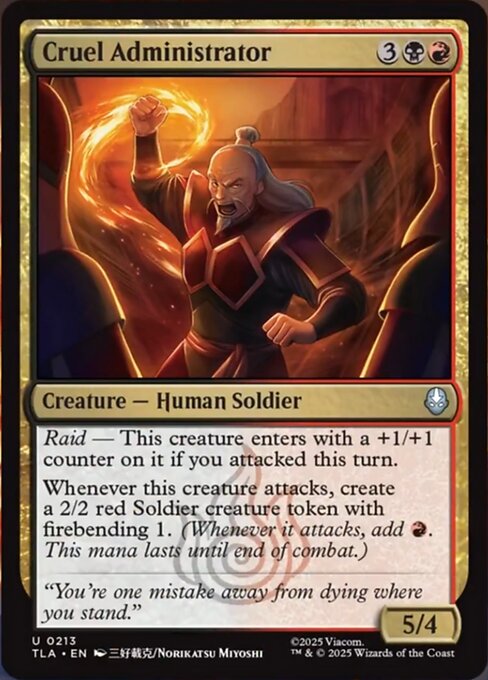
Raid Raid checks whether you attacked this turn. The attacker does not need to survive or deal damage. Cruel Administrator checks as it enters.
Raid checks whether you attacked this turn. The attacker does not need to survive or deal damage. Cruel Administrator checks as it enters.
At the table. Read the exact cost and restrictions on Cruel Administrator.
Affinity Each qualifying permanent reduces the generic part of the spell’s cost by one. Colored symbols still need their colors.
Each qualifying permanent reduces the generic part of the spell’s cost by one. Colored symbols still need their colors.
At the table. Allies at Last costs one generic mana less for each Ally you control. You still need the green mana, and creatures of your own to deal the damage.
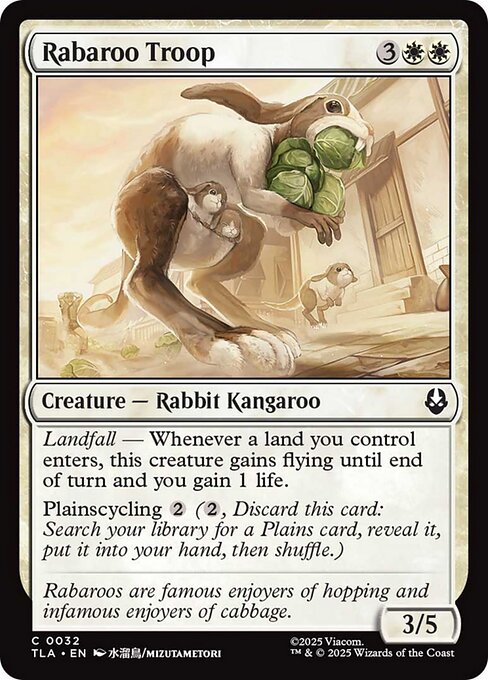
Landcycling Pay the cycling cost and discard the card to search for the stated kind of land. This is an activated ability, not casting the creature.
Pay the cycling cost and discard the card to search for the stated kind of land. This is an activated ability, not casting the creature.
At the table. Discard Rabaroo Troop and pay {2} to find a Plains, even on an opponent’s turn. You do not get the creature as well.
Prowess Casting a noncreature spell gives this creature +1/+1 until end of turn for each prowess ability it has.
Casting a noncreature spell gives this creature +1/+1 until end of turn for each prowess ability it has.
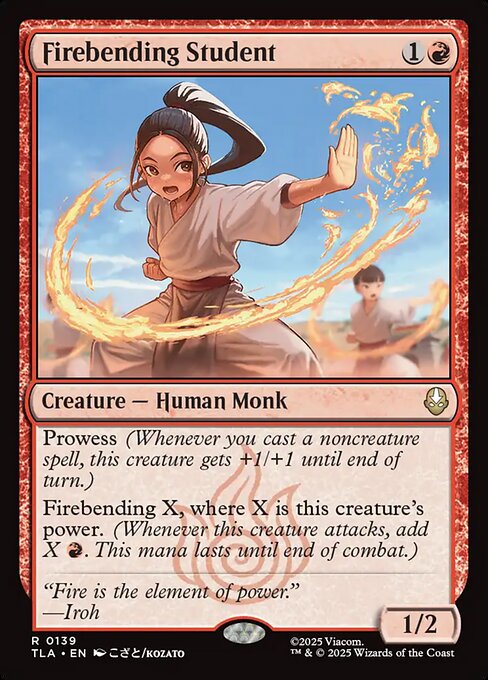
At the table. Read the exact cost and restrictions on Firebending Student.
Flashback You may cast this card from your graveyard for its flashback cost, at normal timing. It is exiled when it leaves the stack afterward.
You may cast this card from your graveyard for its flashback cost, at normal timing. It is exiled when it leaves the stack afterward.
At the table. Read the exact cost and restrictions on Join the Dance.
Shrines Shrine is an enchantment type. Each Shrine explains what it counts and does; it has no extra rules by itself.
Read the Shrine’s ability and count the Shrines you control when needed.
A second Shrine can improve the first one’s effect.
Creature types such as Ally and Shrine enchantment types are different.
At the table. Southern Air Temple puts counters on every creature you control when it enters, counting your Shrines. Later Shrines trigger another counter for each creature.
Glossary Every word on the cards and in the deck plans, defined once. Find a term, read its wording, then see it on a card.
# A B C D E F G H I J K L M N O P Q R S T U V W X Y Z
66 terms · A–Z Comprehensive Rules effective Sep 25 · checked Oct 29
Symbols
+1/+1 and −1/−1 counters Counter A +1/+1 counter adds one power and one toughness; a −1/−1 counter subtracts one of each. These counters stay until removed or the object changes zones.
Watch out: If a permanent has both kinds, matching pairs are removed as a state-based action. A temporary +1/+1 effect is not a counter.
A
Affinity Keyword ability Reduce the generic part of this spell’s cost by one for each permanent of the specified kind you control.
Watch out: It does not reduce the colored mana symbols. Check exactly what the card has affinity for.
Airbend Card mechanic Exile the specified permanent or spell. While that card remains exiled, its owner may cast it for {2} instead of its mana cost, following normal timing. Tokens cannot return.
C
Cascade Card mechanic When you cast this spell, exile cards from the top until you find a nonland with a lower mana value. You may cast that card without paying its mana cost if the resulting spell also costs less. Put the other exiled cards on the bottom randomly.
Charge, quest, and time counters Counter These named counters track whatever the card’s abilities say. Their names alone do not give a universal bonus or penalty.
Watch out: For example, vanishing uses time counters as a countdown. Read the particular card before deciding what adding another counter will do.
Counter a spell or ability Keyword action To counter a spell or ability is to remove it from the stack without its effects resolving. A countered spell normally goes to its owner’s graveyard.
Watch out: This use of “counter” is different from placing a marker such as a +1/+1 counter on a card.
Crew Keyword ability Tap other untapped creatures you control with enough total power to turn this Vehicle into an artifact creature until the turn ends.
Watch out: The crew creatures do not become the Vehicle’s attackers. A newly played Vehicle still needs haste to attack that turn.
Cumulative upkeep Card mechanic At the beginning of your upkeep, add an age counter. Pay the upkeep cost once for each age counter or sacrifice the permanent.
Curve Strategy How many spells you can cast at each mana cost. A deck needs early plays as well as strong expensive cards.
Cycling Keyword ability From your hand, pay the cycling cost and discard this card to draw a card.
Watch out: Cycling is an activated ability, not casting the card. Typecycling searches for a specified kind of card instead.
D
Deathtouch Keyword ability Any positive amount of damage this source deals to a creature is enough to make that damage lethal.
Watch out: It works with a fight or other noncombat damage. Indestructible still prevents destruction.
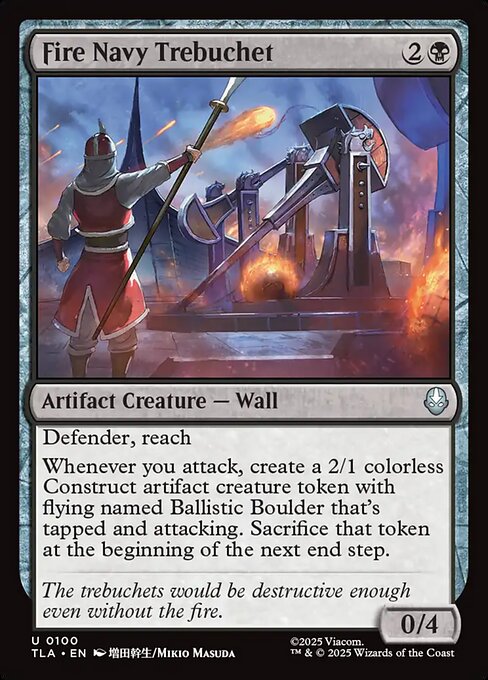
Defender Keyword ability This creature cannot attack.
Watch out: It can still block and use its abilities unless something else prevents that.
Destroy Keyword action Move a permanent from the battlefield to its owner’s graveyard because an effect or lethal damage destroys it.
Watch out: Indestructible stops destruction. Sacrificing, exiling, and reducing toughness to 0 are different ways for a creature to leave.
Discard Keyword action Move a card from your hand to your graveyard.
Watch out: Discarding is not casting. It does not pay the card’s mana cost or produce its normal spell effect.
Double strike Keyword ability This creature deals combat damage in the first-strike damage step and again in the normal damage step if it is still in combat.
Watch out: If its blocker dies in the first step, a blocked attacker does not hit the player in the second step unless an ability such as trample allows it.
E
Earthbend Card mechanic Turn a land you control into a 0/0 creature with haste, still a land, and add the stated number of +1/+1 counters. If it dies or is exiled, return it tapped as a new land. Bouncing it does not trigger that return.
Enchant Keyword ability An Aura’s enchant line tells you what it may be attached to.
Watch out: An Aura cast as a spell targets what it will enchant. If it later becomes illegally attached, it normally goes to the graveyard.
Equip Keyword ability Pay the equip cost to attach this Equipment to a target creature you control. Normally, activate equip only in your main phase when the stack is empty.
Watch out: The Equipment usually stays on the battlefield when the creature leaves. Moving it to another creature normally costs another equip activation.
Exhaust Keyword ability Pay the listed cost to use this activated ability. That exhaust ability can be activated only once for that permanent.
Watch out: If it leaves and returns, it is a new permanent with a new allowance. Exhaust does not itself mean “only once each turn.”
Exile Keyword action Move the object to the exile zone. It is separate from the graveyard.
Watch out: A card in exile cannot normally be played. You need a rule or effect giving permission, such as a resolved Adventure.
F
Fight Keyword action The two creatures each deal damage equal to their power to the other at the same time.
Watch out: This is not combat. First strike and double strike do not add damage steps; deathtouch and lifelink still affect damage.
Finality counters Counter If a permanent with a finality counter would go from the battlefield to a graveyard, exile it instead.
Watch out: It does not die when this replacement sends it to exile, so ordinary “dies” abilities do not trigger.
Firebending Card mechanic When this creature attacks, add the stated amount of red mana. That mana lasts until combat ends; spend it on spells or abilities at their normal timing.
First strike Keyword ability This creature deals combat damage in an earlier step, before creatures without first strike or double strike.
Watch out: A creature killed in that early damage step usually cannot deal its normal combat damage.
Flash Keyword ability You may cast this spell when you could cast an instant, including during another player’s turn when you have priority.
Watch out: Flash changes when you may cast it. It does not let you cast from a different zone or avoid its costs.
Flashback Keyword ability You may cast this instant or sorcery from your graveyard by paying its flashback cost.
Watch out: Follow its normal timing. A spell cast with flashback is exiled when it leaves the stack, even if it is countered.
Flying Keyword ability An attacking creature with flying can be blocked only by creatures with flying or reach.
Watch out: A flying creature can block a creature without flying.
Food Token A standard Food token is an artifact with an ability costing two mana, tapping it, and sacrificing it to gain 3 life.
Watch out: Food is also an artifact type. Turning a card into a Food follows that effect’s text; the type alone does not grant an ability.
Food Card mechanic A Food token is an artifact with “{2}, {T}, Sacrifice this token: You gain 3 life.” Creating Food alone does not gain life.
Forestcycling Card mechanic Pay the cycling cost and discard this card to search your library for a Forest card, reveal it, put it in your hand, then shuffle.
Foretell Card mechanic During your turn, pay {2} and exile this card face down from your hand. On a later turn, you may cast it for its foretell cost, following normal timing.
H
Haste Keyword ability This creature may attack and use abilities with the tap or untap symbol even if you have not controlled it since your turn began.
Watch out: It still needs to be untapped to attack or pay a tap cost.
Hexproof Keyword ability A permanent with hexproof cannot be targeted by spells or abilities its controller’s opponents control.
Watch out: Its controller may target it. Effects that do not target can still affect it.
Hybrid mana Mana symbol Each split mana symbol can be paid using either half. For example, {W/U} costs one white or one blue mana; {2/B} costs two mana of any type or one black mana.
Watch out: Choose separately for each symbol. A {W/U} card is both white and blue even if you use only one color to cast it.
I
Indestructible Keyword ability This permanent cannot be destroyed by lethal damage or an effect that says “destroy.”
Watch out: It can still be exiled or sacrificed. A creature with toughness 0 or less still goes to the graveyard.
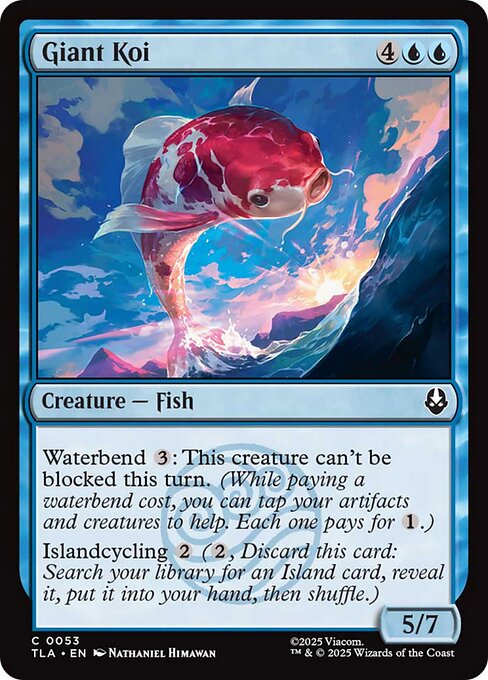
Islandcycling Card mechanic Pay the cycling cost and discard this card to search your library for an Island card, reveal it, put it in your hand, then shuffle.
K
Keyword counters Counter A keyword counter grants its named ability, such as trample, to the object it is on.
Watch out: A trample counter is not a +1/+1 counter. The named ability and the creature’s size are separate.
Kicker Keyword ability As you cast the spell, you may pay its extra kicker cost. The card tells you what changes if you do.
Watch out: You decide and pay while casting. You do not get to add kicker after the spell has resolved.
L
Landfall Ability word This label groups abilities that reward a land entering under your control. The rest of each card tells you its effect.
Watch out: A land entering from a spell can trigger landfall too. The label itself adds no rules; read the actual ability.
Lifelink Keyword ability When this source deals damage, its controller gains that much life at the same time.
Watch out: This also works for noncombat damage. It uses the damage actually dealt, not simply the creature’s printed power.
M
Menace Keyword ability This attacking creature cannot be blocked by just one creature; at least two blockers are needed.
Watch out: It can still go unblocked. Losing one blocker after blocks are declared does not undo the original block.
Mill Keyword action Put the stated number of cards from the top of the named player’s library into that player’s graveyard.
Watch out: Milling is not drawing. An empty library makes you lose when you must draw from it, not merely when its last card is milled.
P
Partner Card mechanic In Commander, this ability can let you use two commanders with partner. It does not give you a second commander or an extra card in an ordinary draft game.
Plainscycling Card mechanic Pay the cycling cost and discard this card to search your library for a Plains card, reveal it, put it in your hand, then shuffle.
Prowess Keyword ability Whenever you cast a noncreature spell, this creature gets +1/+1 until the turn ends.
Watch out: Lands are not spells. The prowess trigger can resolve even if the spell that triggered it is countered.
R
Raid Card mechanic An ability word that checks whether you attacked this turn. A creature did not need to deal damage or survive; read the rest of the ability for its exact effect.
Reach Keyword ability This creature may block creatures with flying.
Watch out: Reach does not give it flying or make its own attacks harder to block.
Replicate Keyword ability As you cast this spell, you may pay its replicate cost additional times. Its triggered ability makes one copy for each payment, with new targets if you want.
Watch out: The copies are not cast. Countering the original spell does not by itself remove the replicate ability or its copies.
S
Sacrifice Keyword action Move a permanent you control from the battlefield to its owner’s graveyard.
Watch out: Sacrifice is not destruction: indestructible does not stop it. You cannot sacrifice a teammate’s permanent unless an effect specifically permits it.
Saga & lore counters Card mechanic A Saga normally enters with a lore counter and gains another as your first main phase begins. Reaching chapter numbers triggers those chapter abilities.
Watch out: The new lore counter is not added during upkeep. When its final chapter ability is no longer on the stack, you normally sacrifice the Saga.
Scry Keyword action Look at the stated number of cards from the top of your library. Put any number on the bottom and the rest back on top, choosing their order.
Watch out: Scry does not draw a card. Cards you move to the bottom do not go to the graveyard.
Signal Strategy · Draft The useful cards arriving from another player can suggest which colors they are not taking. One card is weak evidence.
Stun counters Counter If a permanent with a stun counter would untap, remove one stun counter instead and leave it tapped.
Watch out: The counter does not tap an untapped permanent by itself. Several stun counters can stop several separate untaps.
Surveil Keyword action Look at the stated number of cards from the top of your library. Put any number into your graveyard and the rest back on top in your chosen order.
Watch out: Surveil does not draw a card. Unlike scry, unwanted cards go to the graveyard instead of the bottom.
Swampcycling Card mechanic Pay the cycling cost and discard this card to search your library for a Swamp card, reveal it, put it in your hand, then shuffle.
Synergy Strategy Two cards help each other do more than they would separately.
T
Tap and untap Keyword action Tap means turn a permanent sideways; untap means return it upright. A tap symbol in a cost means you must tap that permanent to pay.
Watch out: Being tapped by another effect does not activate an ability or produce mana. Creatures normally cannot pay their own tap-symbol costs until you have controlled them since your turn began.
Trample Keyword ability An attacking creature can assign excess combat damage to what it is attacking after assigning lethal damage to every blocker.
Watch out: It does not automatically send all damage past a small blocker. Trample on a blocking creature does not send damage to the attacking player.
Transform Card mechanic Turn a transforming double-faced permanent over to its other face. This is not normally a new object entering the battlefield. Some Sagas specifically exile themselves and return transformed, which does create a new object.
Treasure Token A standard Treasure token is an artifact you can tap and sacrifice to add one mana of any color.
Watch out: A Treasure is not a land. Using it spends the token; it does not remain for another turn.
Typecycling & landcycling Keyword ability From your hand, pay the listed cost and discard the card. Search your library for the named kind of card, reveal it, put it into your hand, then shuffle.
Watch out: Basic landcycling finds a basic land. Mountaincycling finds a Mountain card; Halflingcycling finds a Halfling card. This does not put the found card onto the battlefield.
U
Unearth Card mechanic Pay the unearth cost from your graveyard, only as a sorcery, to return the creature with haste. Exile it at the next end step, or if it would leave the battlefield sooner.
V
Vigilance Keyword ability Attacking does not tap this creature.
Watch out: It must still be untapped to be declared as an attacker. Vigilance does not remove summoning sickness.
W
Ward Keyword ability When an opponent’s spell or ability targets this permanent, ward triggers. That spell or ability is countered unless the opponent pays the ward cost.
Watch out: Ward is not hexproof: the opponent can target it and choose whether to pay. An effect that does not target does not trigger ward.
Waterbend Card mechanic Pay the stated cost. Each untapped artifact or creature you tap can pay for one generic mana in that cost. A newly entered creature can help; a tapped permanent cannot pay twice.
Wheel Strategy · Draft A pack returns to you after the other drafters have taken cards from it.
Terms shared across sets: Learn glossary →




 Cruel Administrator
 Allies at Last
 Rabaroo Troop
 Firebending Student
 Join the Dance
 Southern Air Temple
 Aang, at the Crossroads // Aang, Destined Savior
 Aang, Swift Savior // Aang and La, Ocean's Fury
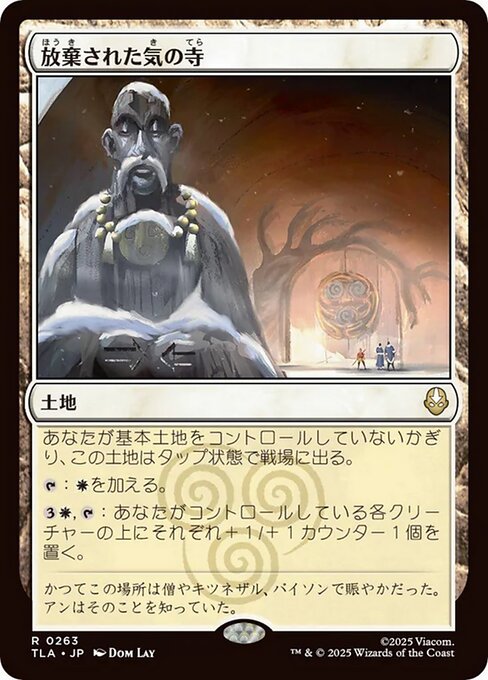 Abandoned Air Temple
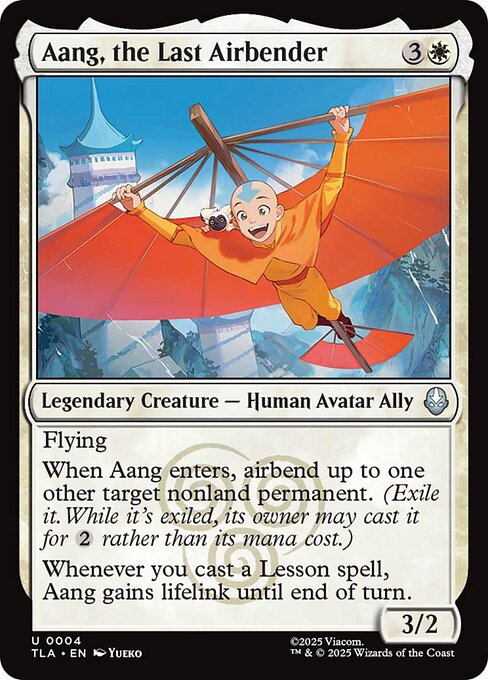 Aang, the Last Airbender
 Airbender Ascension
 Volcanic Torrent
 Beastmaster Ascension
 Bloodchief Ascension
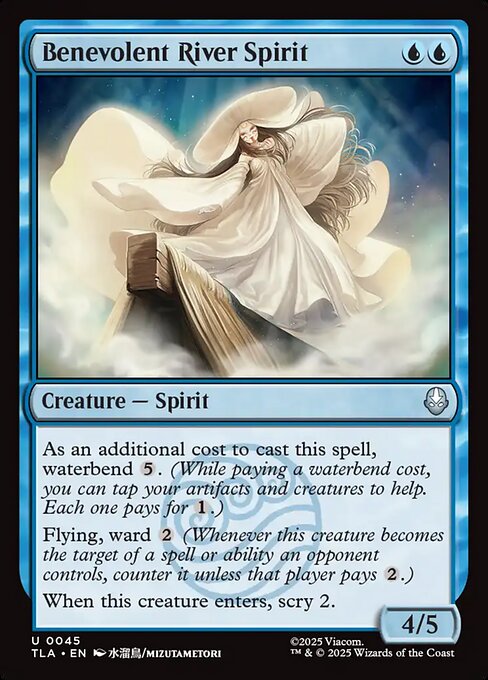 Benevolent River Spirit
 Dragonfly Swarm
 Force of Negation
 Fire Nation Warship
 Lita, Mechanical Engineer
 Phoenix Fleet Airship
 Mystic Remora
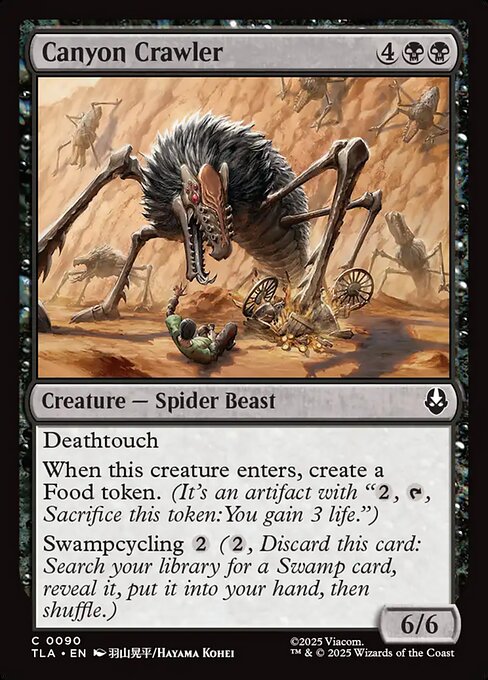 Canyon Crawler
 Giant Koi
 Mongoose Lizard
 Pirate Peddlers
 Walltop Sentries
 Fire Navy Trebuchet
 Platypus-Bear
 Sparring Dummy
 Airbender's Reversal
 Bumi Bash
 Cityscape Leveler
 Abandon Attachments
 Agna Qel'a
 Mai, Jaded Edge
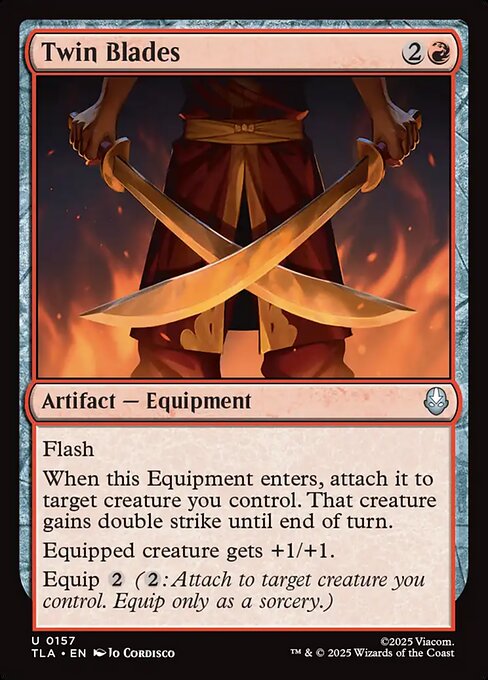 Twin Blades
 Ba Sing Se
 Avatar Destiny
 Honest Work
 Imprisoned in the Moon
 Glider Staff
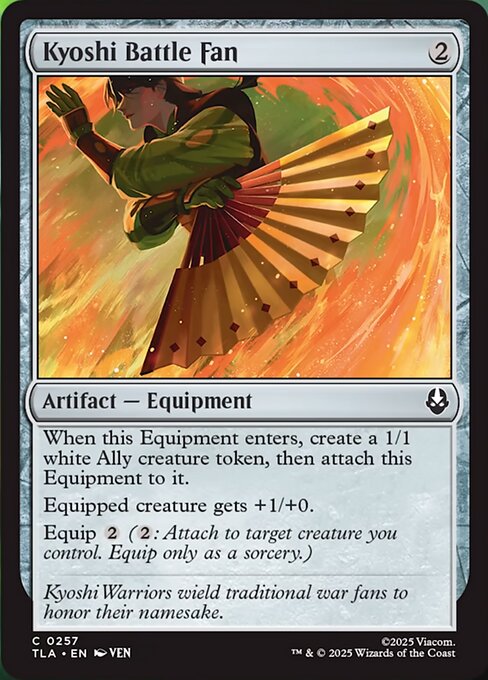 Kyoshi Battle Fan
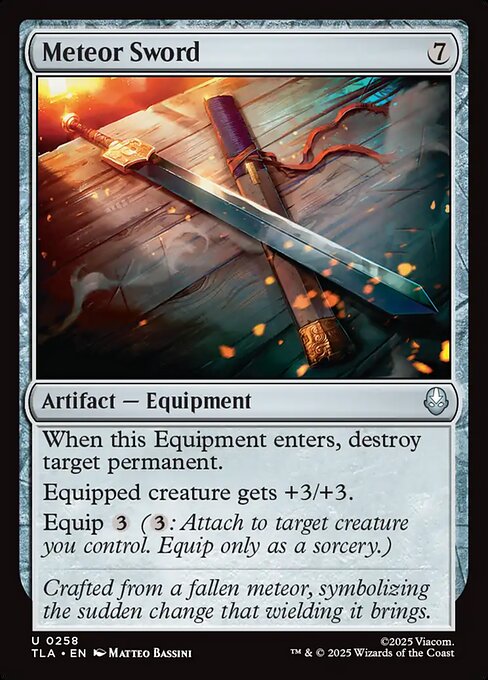 Meteor Sword
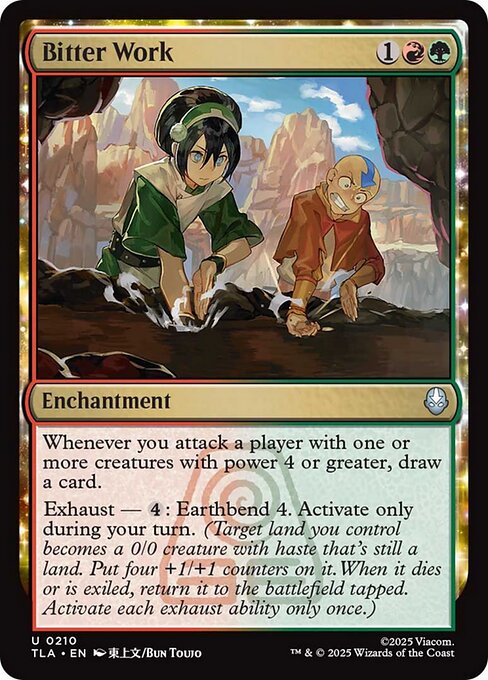 Bitter Work
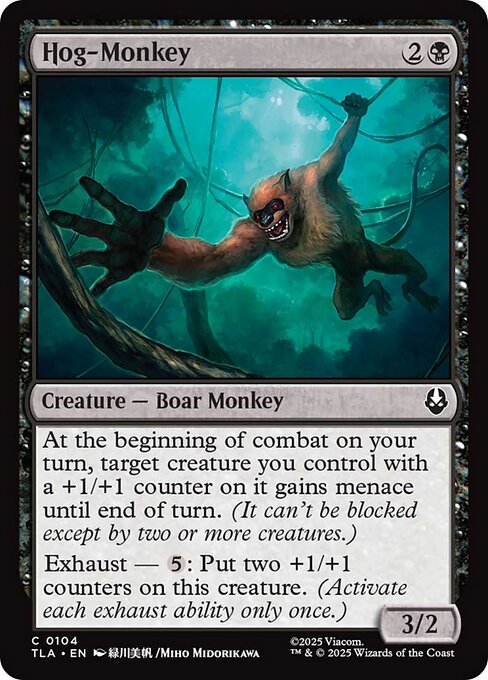 Hog-Monkey
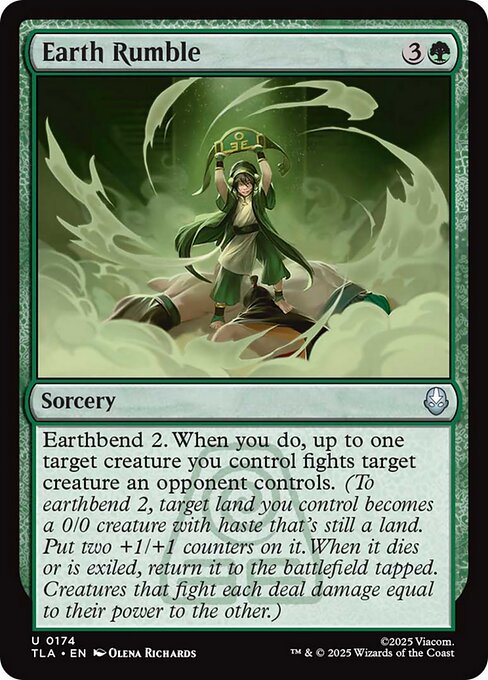 Earth Rumble
 The Last Agni Kai
 Wolfbat
 Avatar Aang // Aang, Master of Elements
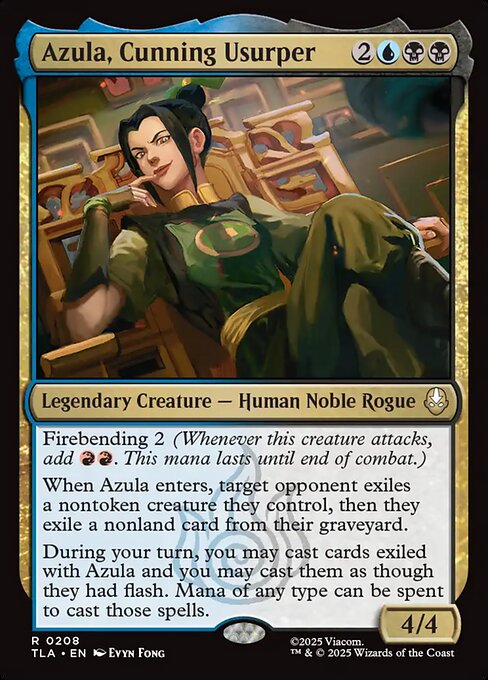 Azula, Cunning Usurper
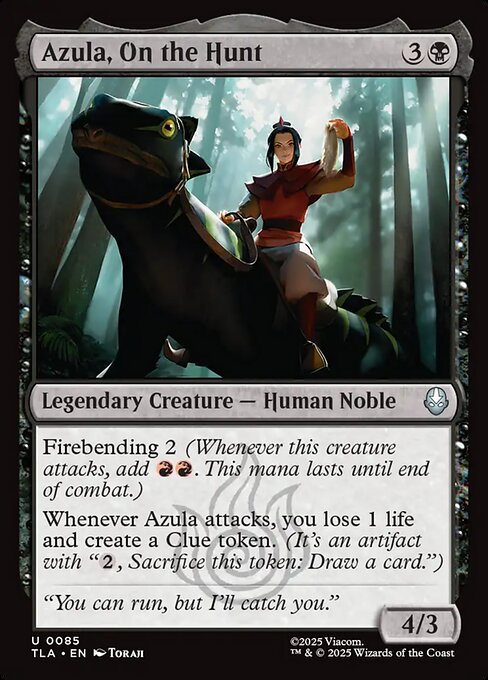 Azula, On the Hunt
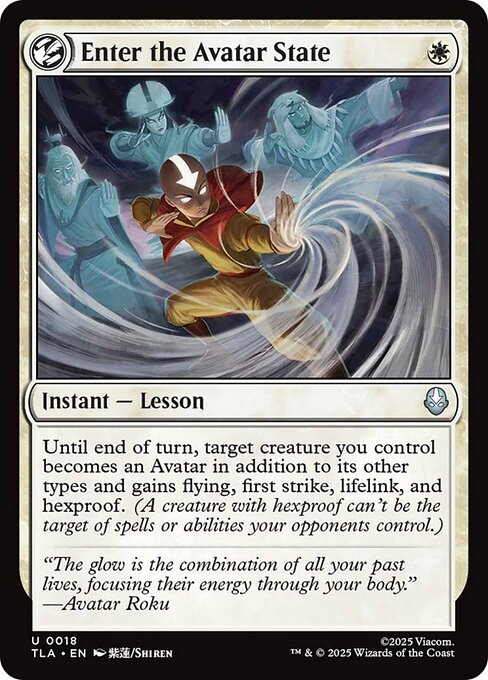 Enter the Avatar State
 Mai, Scornful Striker
 Master Piandao
 Aang's Iceberg
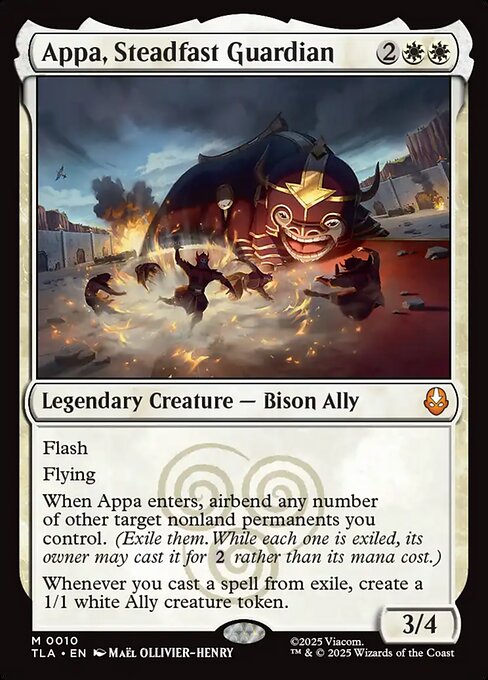 Appa, Steadfast Guardian
 Fire Nation Attacks
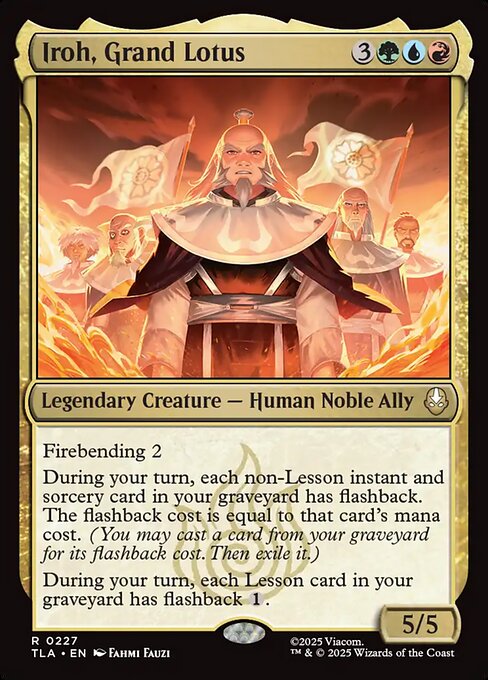 Iroh, Grand Lotus
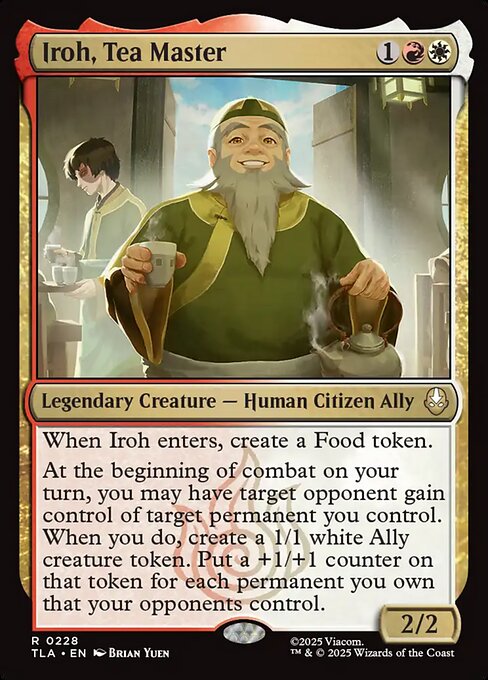 Iroh, Tea Master
 Leaves from the Vine
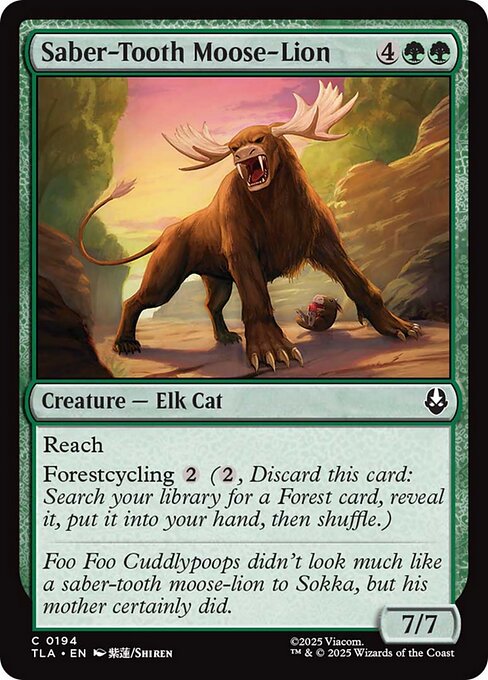 Saber-Tooth Moose-Lion
 Sozin's Comet
 Heroic Intervention
 Octopus Form
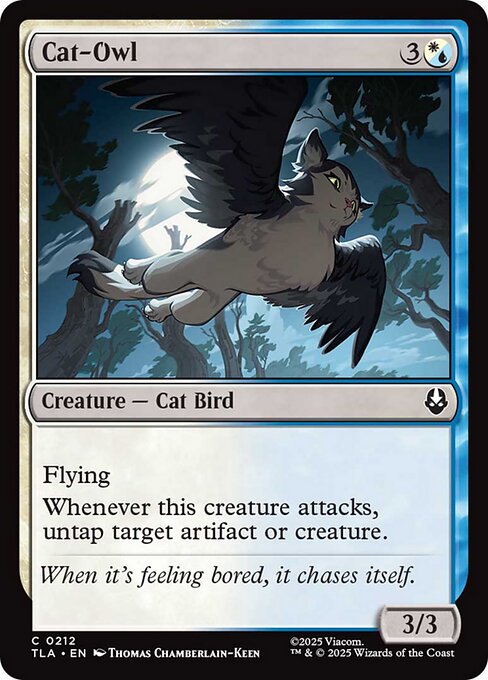 Cat-Owl
 Earth Kingdom Soldier
 Dark Depths
 Earth Kingdom Protectors
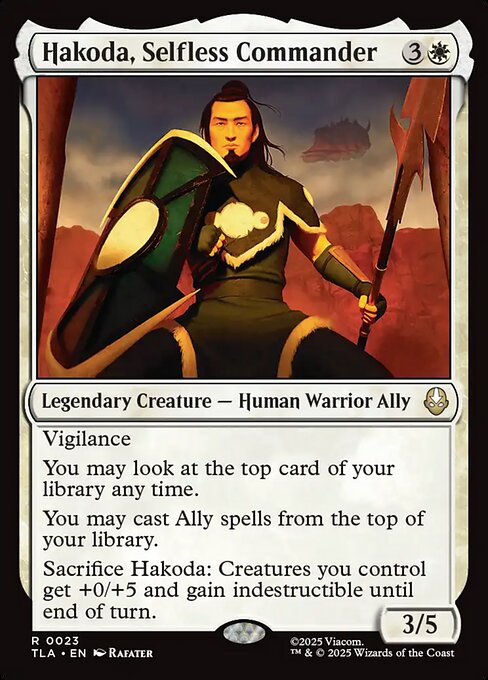 Hakoda, Selfless Commander
 Aang's Journey
 Firebending Lesson
 Jet's Brainwashing
 Earthbender Ascension
 Cat-Gator
 Callous Inspector
 Foggy Swamp Hunters
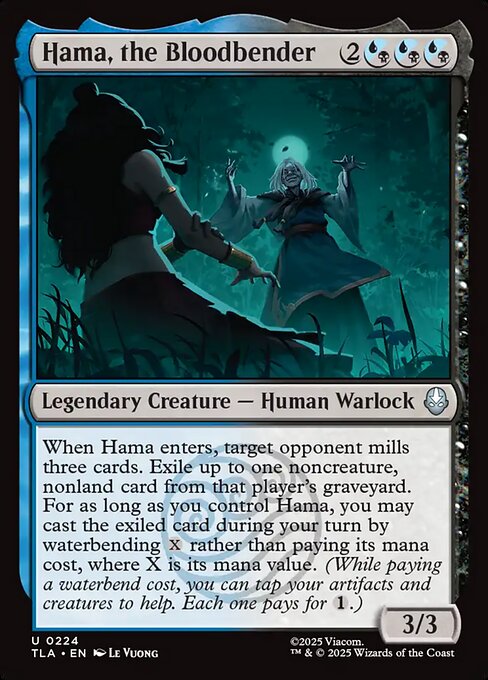 Hama, the Bloodbender
 Sakashima of a Thousand Faces
 Crescent Island Temple
 Iguana Parrot
 Fire Nation Engineer
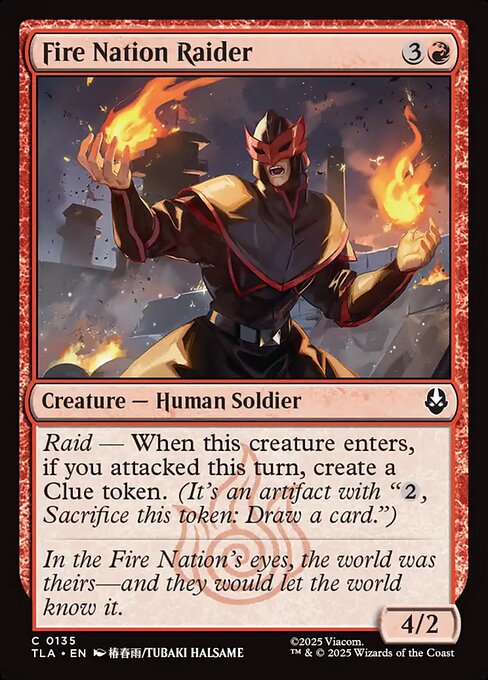 Fire Nation Raider
 Earth Rumble Wrestlers
 Shattering Spree
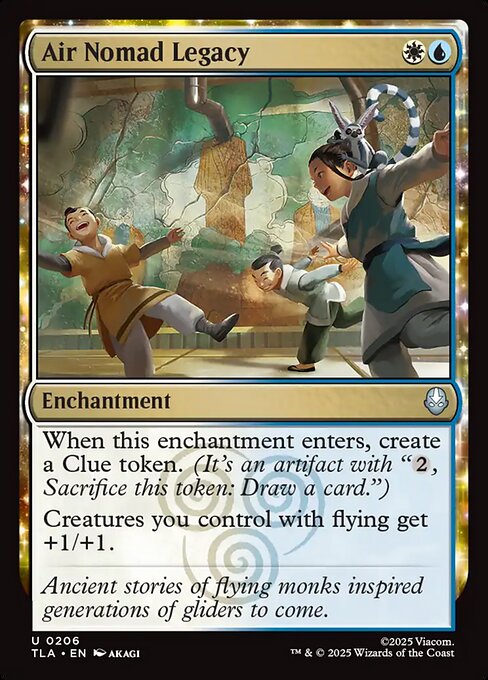 Air Nomad Legacy
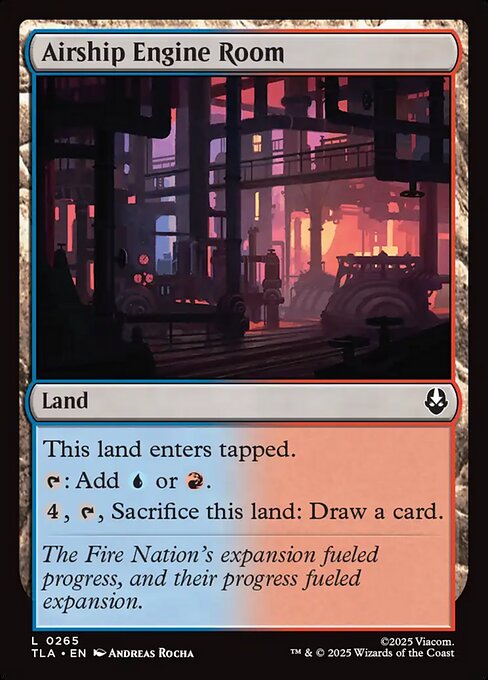 Airship Engine Room
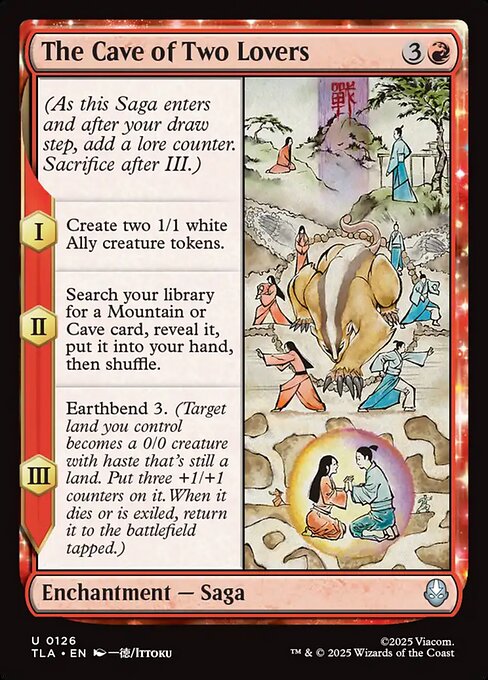 The Cave of Two Lovers
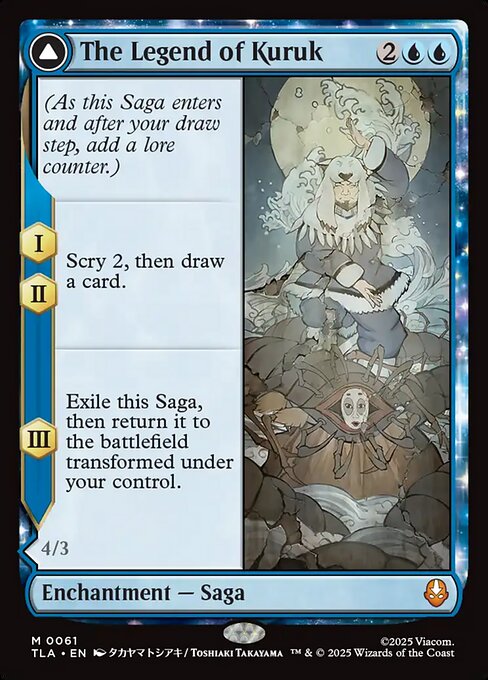 The Legend of Kuruk // Avatar Kuruk
 Bumi, King of Three Trials
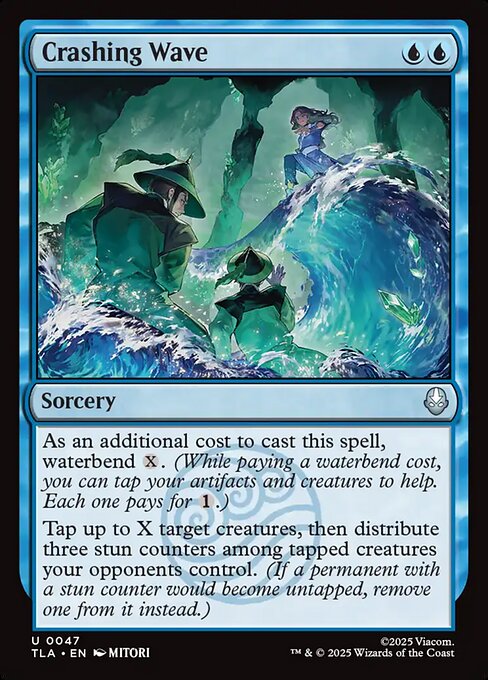 Crashing Wave
 Rowdy Snowballers
 Vengeful Villagers
 Joo Dee, One of Many
 Planetarium of Wan Shi Tong
 Bumi, Unleashed
 Dockside Extortionist
 The Unagi of Kyoshi Island