
Starfighter Pilot
Common · Creature — Human Pilot · At the table
Station with Starfighter Pilot to surveil while building the Frigate. Keep enough untapped creatures to survive the return attack.
The set’s mechanics with worked examples, then every word on the cards.
Tap another untapped creature to add charge counters equal to its power. Activate only during your main phase with an empty stack.
Station with Starfighter Pilot to surveil while building the Frigate. Keep enough untapped creatures to survive the return attack.
Station thresholds add abilities while enough charge counters remain. Spacecraft become creatures only at a threshold that gives them power and toughness.

At twelve counters, Lumen-Class Frigate has flying and lifelink and still gives your other creatures +1/+1. Creature-only recursion cannot return its card.
Cast from your hand for the warp cost. If the permanent survives until the next end step, exile it; its owner may cast that exiled card on a later turn.
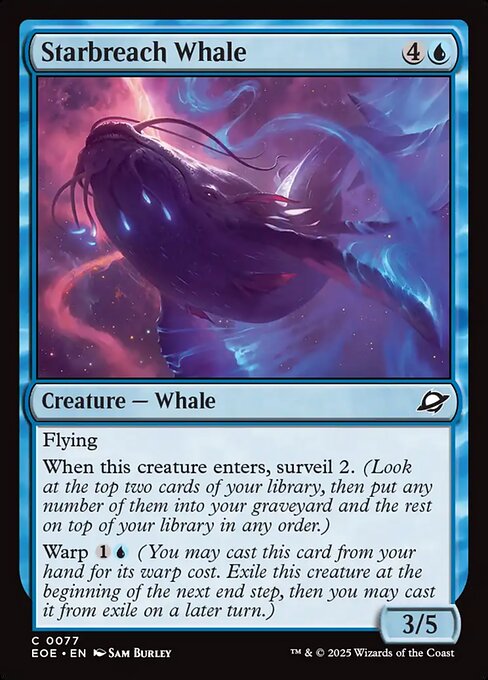
A warped Starbreach Whale surveils and can immediately help station. It normally cannot attack and will be gone before the opponent’s next combat.
Void abilities check whether a nonland permanent left either battlefield this turn or any spell was cast for its warp cost.

Sacrifice a Lander before casting Tragic Trajectory for its larger reduction, or cast a warped spell first. Its casting already qualifies even if an opponent counters it.
A Lander is an artifact token. Pay two mana, tap and sacrifice it to find a basic land and put it onto the battlefield tapped.
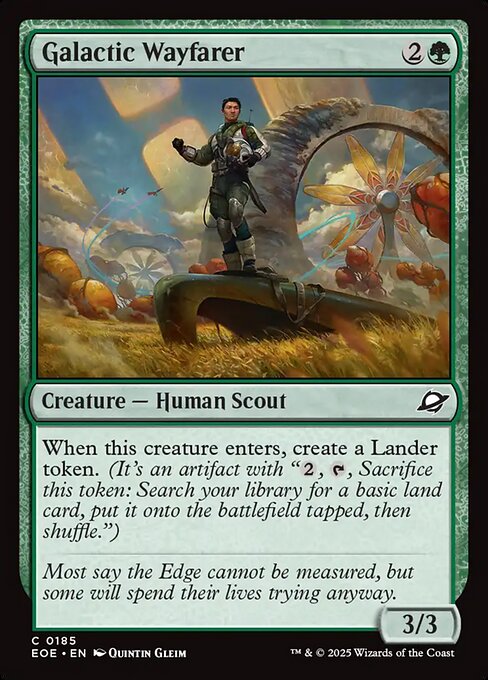
Wayfarer supplies a creature now and a later mana increase. Budget the two-mana activation rather than counting the token as a land already in play.
These abilities trigger when a land enters under your control, including lands found by a Lander.

With Tannuk present, a land play followed by a Lander activation deals damage twice and draws a card on the second resolution.
Every word on the cards and in the deck plans, defined once. Find a term, read its wording, then see it on a card.
A +1/+1 counter adds one power and one toughness; a −1/−1 counter subtracts one of each. These counters stay until removed or the object changes zones.
Watch out: If a permanent has both kinds, matching pairs are removed as a state-based action. A temporary +1/+1 effect is not a counter.
Reduce the generic part of this spell’s cost by one for each permanent of the specified kind you control.
Watch out: It does not reduce the colored mana symbols. Check exactly what the card has affinity for.
These named counters track whatever the card’s abilities say. Their names alone do not give a universal bonus or penalty.
Watch out: For example, vanishing uses time counters as a countdown. Read the particular card before deciding what adding another counter will do.
While paying for this spell, each untapped creature you tap can cover one generic mana, or one mana of that creature’s color.
Watch out: You may tap a creature you just played. A colorless creature can cover only generic mana.
To counter a spell or ability is to remove it from the stack without its effects resolving. A countered spell normally goes to its owner’s graveyard.
Watch out: This use of “counter” is different from placing a marker such as a +1/+1 counter on a card.
Enough useful low-cost plays to act before your expensive threats.
Any positive amount of damage this source deals to a creature is enough to make that damage lethal.
Watch out: It works with a fight or other noncombat damage. Indestructible still prevents destruction.
This creature cannot attack.
Watch out: It can still block and use its abilities unless something else prevents that.
Move a permanent from the battlefield to its owner’s graveyard because an effect or lethal damage destroys it.
Watch out: Indestructible stops destruction. Sacrificing, exiling, and reducing toughness to 0 are different ways for a creature to leave.
As this permanent enters, you may sacrifice creatures; it enters with the stated number of +1/+1 counters for each one. A devour variant may restrict which permanents can be sacrificed.
Move a card from your hand to your graveyard.
Watch out: Discarding is not casting. It does not pay the card’s mana cost or produce its normal spell effect.
Doubling counters adds as many of that kind as are already there. Doubling power gives a modifier based on the creature’s power when the effect resolves; it does not necessarily change base power or add counters.
This creature deals combat damage in the first-strike damage step and again in the normal damage step if it is still in combat.
Watch out: If its blocker dies in the first step, a blocked attacker does not hit the player in the second step unless an ability such as trample allows it.
An Aura’s enchant line tells you what it may be attached to.
Watch out: An Aura cast as a spell targets what it will enchant. If it later becomes illegally attached, it normally goes to the graveyard.
Pay the equip cost to attach this Equipment to a target creature you control. Normally, activate equip only in your main phase when the stack is empty.
Watch out: The Equipment usually stays on the battlefield when the creature leaves. Moving it to another creature normally costs another equip activation.
When a creature you control attacks alone, that creature gets +1/+1 for the turn for each exalted trigger.
Move the object to the exile zone. It is separate from the graveyard.
Watch out: A card in exile cannot normally be played. You need a rule or effect giving permission, such as a resolved Adventure.
The two creatures each deal damage equal to their power to the other at the same time.
Watch out: This is not combat. First strike and double strike do not add damage steps; deathtouch and lifelink still affect damage.
This creature deals combat damage in an earlier step, before creatures without first strike or double strike.
Watch out: A creature killed in that early damage step usually cannot deal its normal combat damage.
You may cast this spell when you could cast an instant, including during another player’s turn when you have priority.
Watch out: Flash changes when you may cast it. It does not let you cast from a different zone or avoid its costs.
An attacking creature with flying can be blocked only by creatures with flying or reach.
Watch out: A flying creature can block a creature without flying.
A standard Food token is an artifact with an ability costing two mana, tapping it, and sacrificing it to gain 3 life.
Watch out: Food is also an artifact type. Turning a card into a Food follows that effect’s text; the type alone does not grant an ability.
This creature may attack and use abilities with the tap or untap symbol even if you have not controlled it since your turn began.
Watch out: It still needs to be untapped to attack or pay a tap cost.
Remove all damage marked on the indicated creature. Healing does not remove counters or return a creature that has already died.
A permanent with hexproof cannot be targeted by spells or abilities its controller’s opponents control.
Watch out: Its controller may target it. Effects that do not target can still affect it.
This permanent cannot be destroyed by lethal damage or an effect that says “destroy.”
Watch out: It can still be exiled or sacrificed. A creature with toughness 0 or less still goes to the graveyard.
As you cast the spell, you may pay its extra kicker cost. The card tells you what changes if you do.
Watch out: You decide and pay while casting. You do not get to add kicker after the spell has resolved.
A Lander is an artifact token. Pay two mana, tap and sacrifice it to find a basic land and put it onto the battlefield tapped.
This label groups abilities that reward a land entering under your control. The rest of each card tells you its effect.
Watch out: A land entering from a spell can trigger landfall too. The label itself adds no rules; read the actual ability.
These abilities trigger when a land enters under your control, including lands found by a Lander.
When this source deals damage, its controller gains that much life at the same time.
Watch out: This also works for noncombat damage. It uses the damage actually dealt, not simply the creature’s printed power.
A planeswalker’s loyalty is the number of loyalty counters on it. Its loyalty costs add or remove counters, and damage removes that much loyalty.
Watch out: A planeswalker with 0 loyalty goes to the graveyard. Adding more counters does not let you activate it a second time in the same turn.
This attacking creature cannot be blocked by just one creature; at least two blockers are needed.
Watch out: It can still go unblocked. Losing one blocker after blocks are declared does not undo the original block.
Put the stated number of cards from the top of the named player’s library into that player’s graveyard.
Watch out: Milling is not drawing. An empty library makes you lose when you must draw from it, not merely when its last card is milled.
This permanent enters with the stated number of +1/+1 counters. When it goes from the battlefield to a graveyard, you may put a +1/+1 counter on a target artifact creature for each +1/+1 counter it had.
This creature may block creatures with flying.
Watch out: Reach does not give it flying or make its own attacks harder to block.
Create a shield for the next time this permanent would be destroyed this turn: instead tap it, remove its marked damage and remove it from combat. This cannot prevent sacrifice or death from zero toughness.
Move a permanent you control from the battlefield to its owner’s graveyard.
Watch out: Sacrifice is not destruction: indestructible does not stop it. You cannot sacrifice a teammate’s permanent unless an effect specifically permits it.
Repeated useful late cards may suggest an open color; one card is weak evidence.
Station thresholds add abilities while enough charge counters remain. Spacecraft become creatures only at a threshold that gives them power and toughness.
Tap another untapped creature to add charge counters equal to its power. Activate only during your main phase with an empty stack.
If a permanent with a stun counter would untap, remove one stun counter instead and leave it tapped.
Watch out: The counter does not tap an untapped permanent by itself. Several stun counters can stop several separate untaps.
The actual cards and mana that let a payoff work.
Look at the stated number of cards from the top of your library. Put any number into your graveyard and the rest back on top in your chosen order.
Watch out: Surveil does not draw a card. Unlike scry, unwanted cards go to the graveyard instead of the bottom.
Tap means turn a permanent sideways; untap means return it upright. A tap symbol in a cost means you must tap that permanent to pay.
Watch out: Being tapped by another effect does not activate an ability or produce mana. Creatures normally cannot pay their own tap-symbol costs until you have controlled them since your turn began.
An attacking creature can assign excess combat damage to what it is attacking after assigning lethal damage to every blocker.
Watch out: It does not automatically send all damage past a small blocker. Trample on a blocking creature does not send damage to the attacking player.
Attacking does not tap this creature.
Watch out: It must still be untapped to be declared as an attacker. Vigilance does not remove summoning sickness.
Void abilities check whether a nonland permanent left either battlefield this turn or any spell was cast for its warp cost.
When an opponent’s spell or ability targets this permanent, ward triggers. That spell or ability is countered unless the opponent pays the ward cost.
Watch out: Ward is not hexproof: the opponent can target it and choose whether to pay. An effect that does not target does not trigger ward.
Cast from your hand for the warp cost. If the permanent survives until the next end step, exile it; its owner may cast that exiled card on a later turn.
 Kavaron Skywarden
 Embrace Oblivion
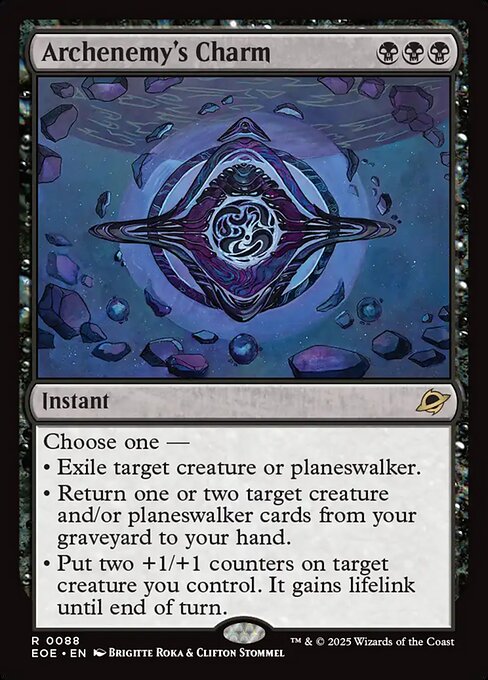 Archenemy's Charm
 Atmospheric Greenhouse
 Bioengineered Future
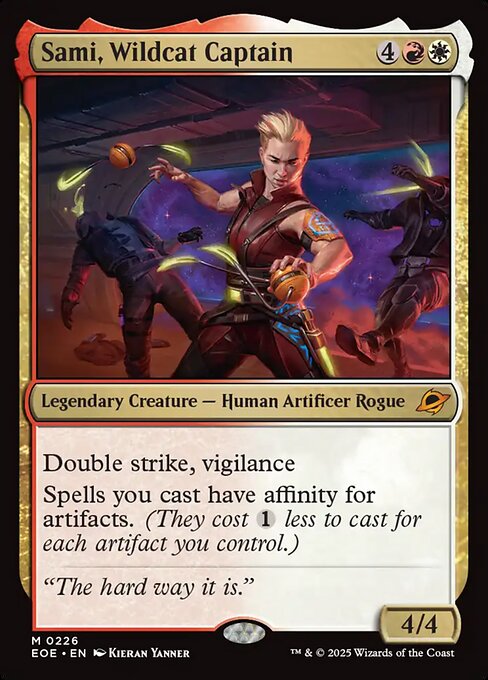 Sami, Wildcat Captain
 Thrumming Hivepool
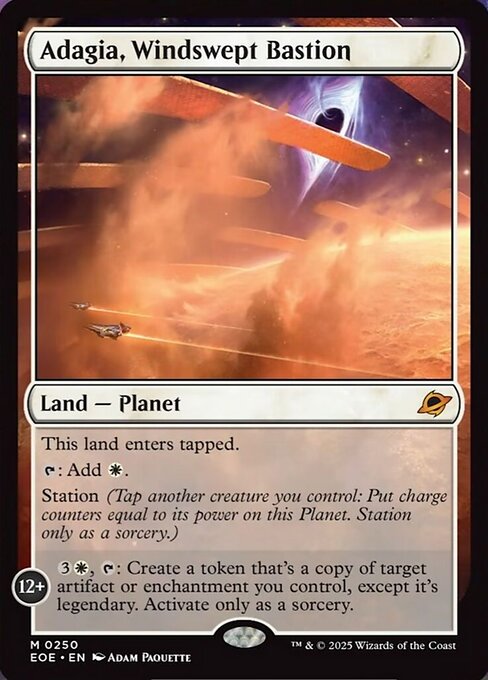 Adagia, Windswept Bastion
 Blast Zone
 Vote Out
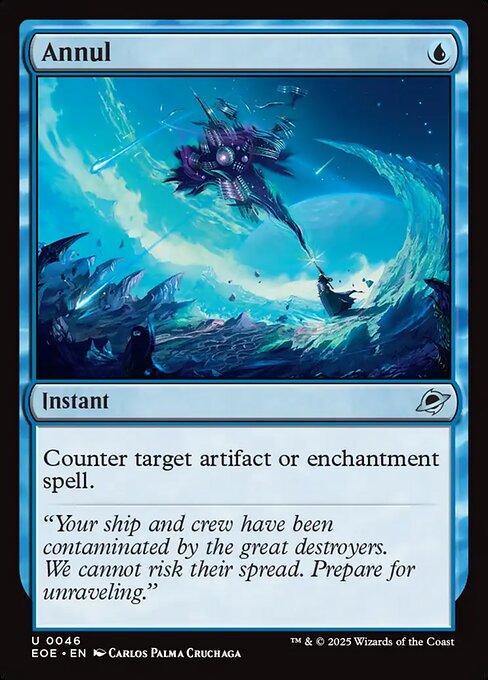 Annul
 Divert Disaster
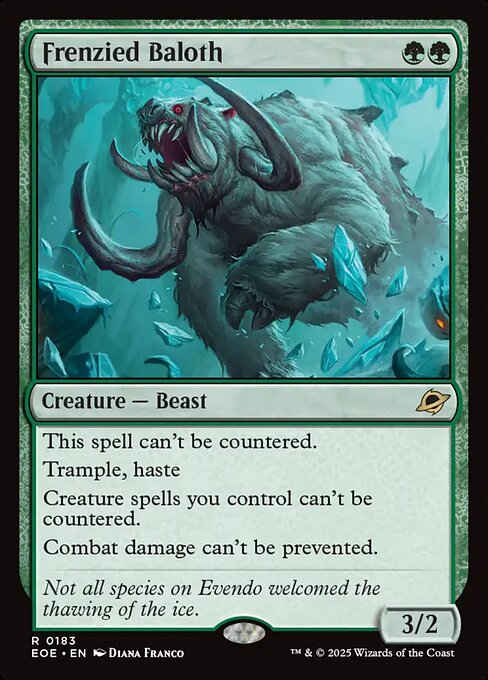 Frenzied Baloth
 Alpharael, Dreaming Acolyte
 Blooming Stinger
 Entropic Battlecruiser
 Mechan Shieldmate
 Monoist Sentry
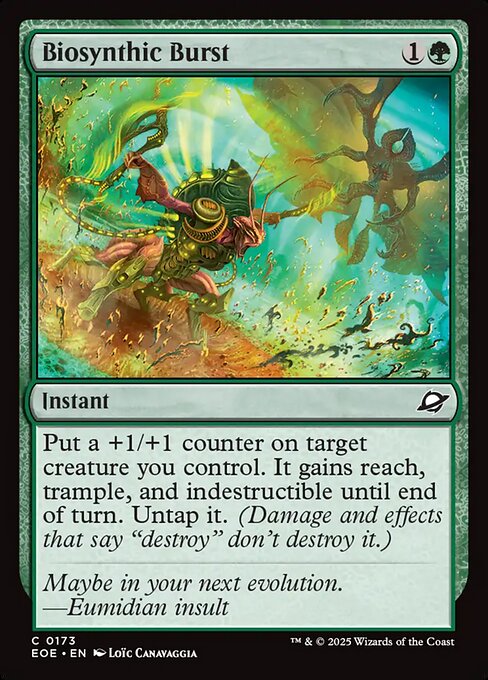 Biosynthic Burst
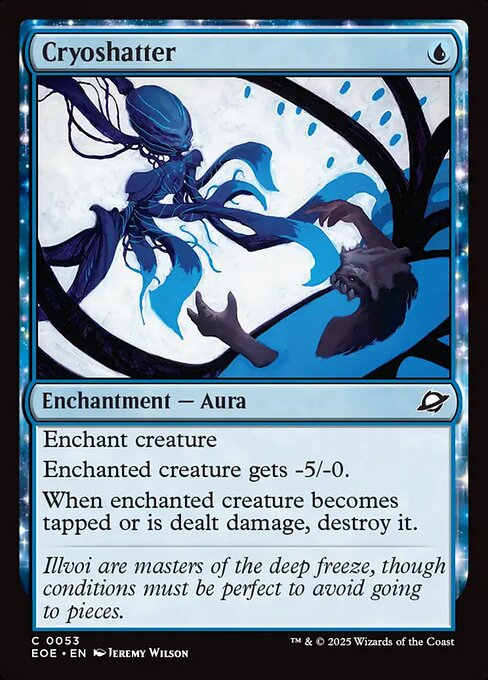 Cryoshatter
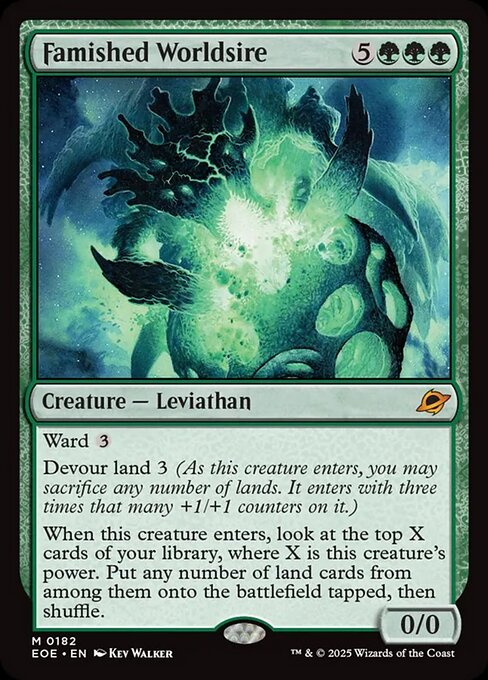 Famished Worldsire
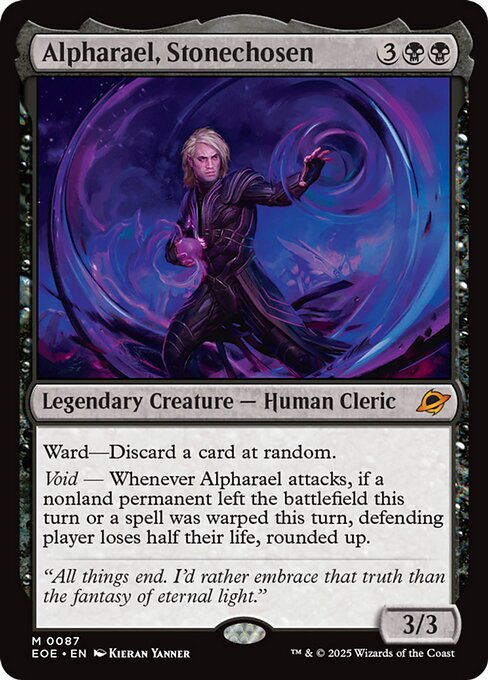 Alpharael, Stonechosen
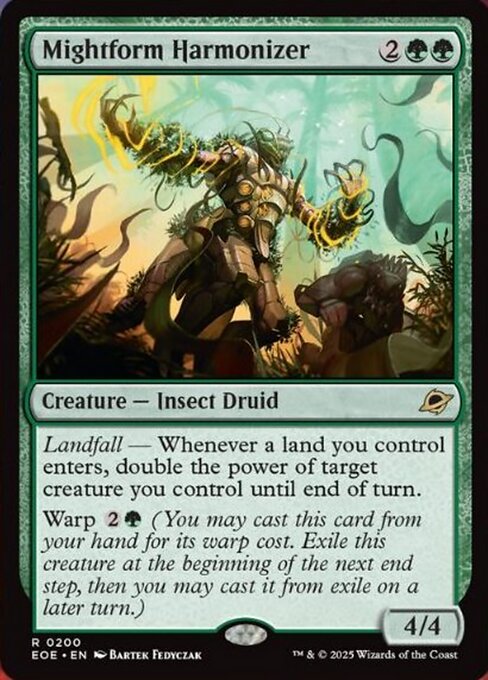 Mightform Harmonizer
 Dual-Sun Adepts
 Dual-Sun Technique
 Needle Spires
 Chorale of the Void
 Hardlight Containment
 Atomic Microsizer
 Auxiliary Boosters
 Hylderblade
 Cathedral of War
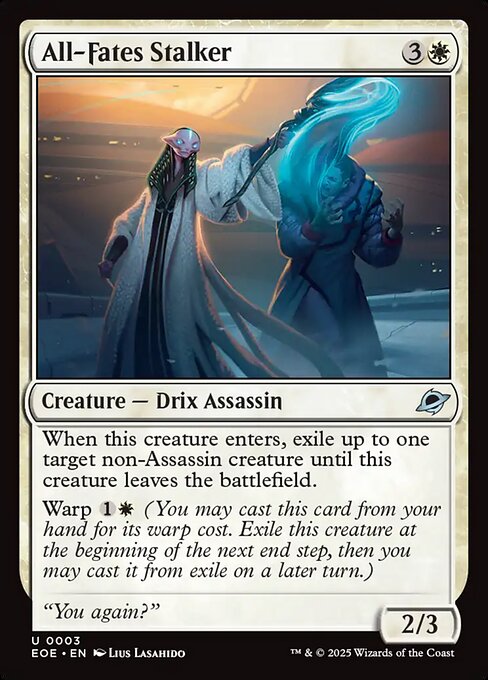 All-Fates Stalker
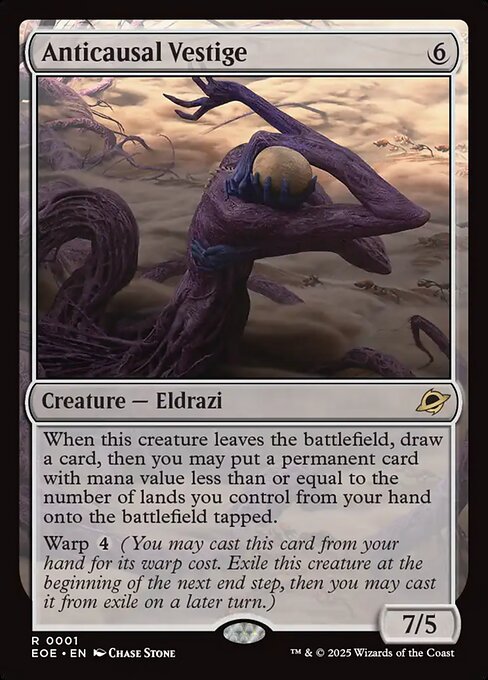 Anticausal Vestige
 Meltstrider's Resolve
 Molecular Modifier
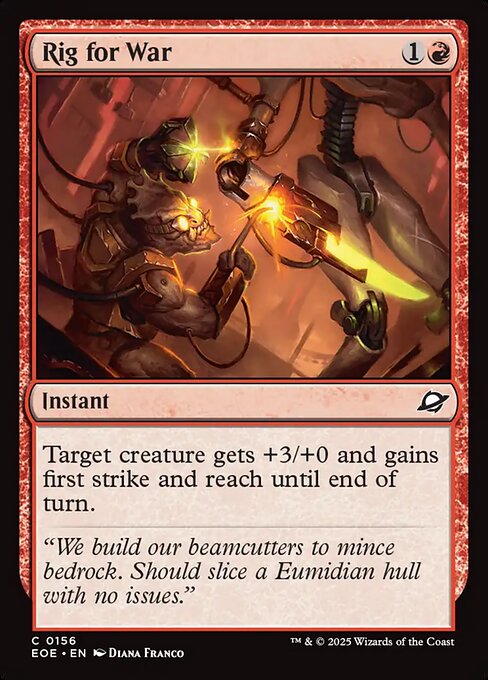 Rig for War
 Squire's Lightblade
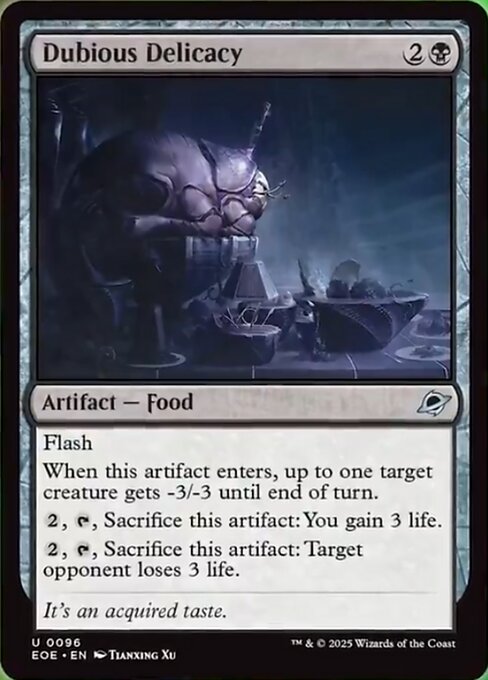 Dubious Delicacy
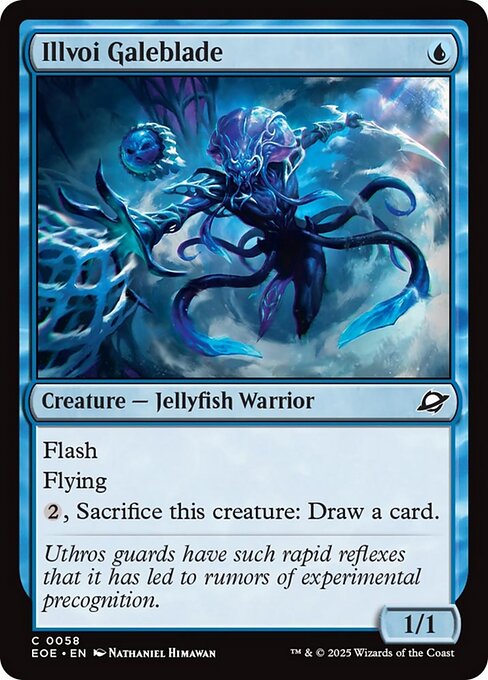 Illvoi Galeblade
 Illvoi Light Jammer
 Astelli Reclaimer
 Ragost, Deft Gastronaut
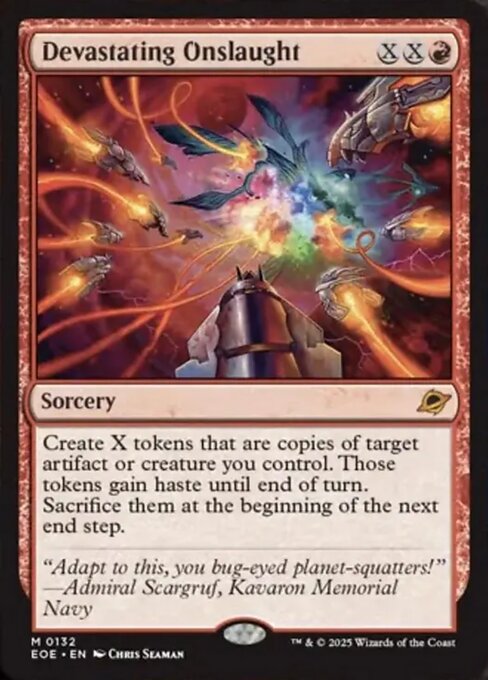 Devastating Onslaught
 Full Bore
 Swarmyard
 Lotus Field
 Lumbering Falls
 Cascading Cataracts
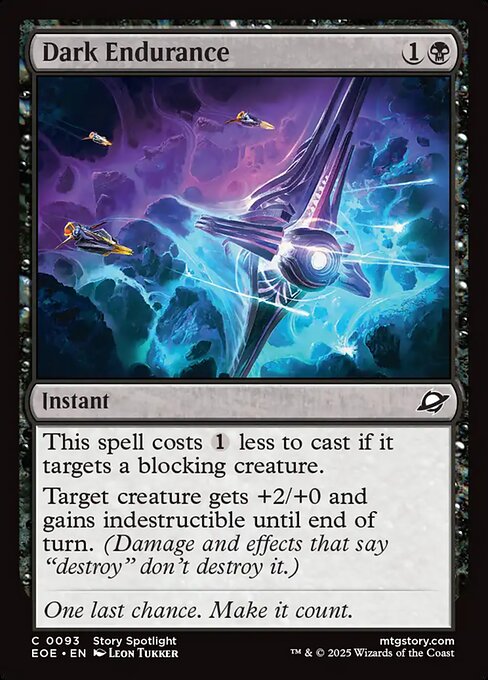 Dark Endurance
 Consult the Star Charts
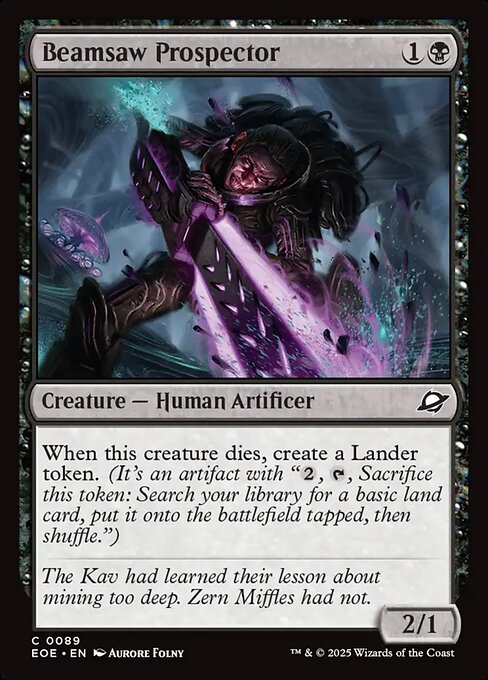 Beamsaw Prospector
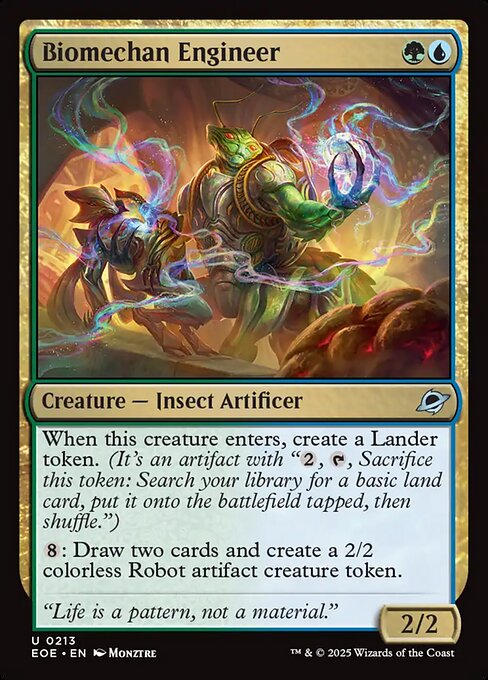 Biomechan Engineer
 Eumidian Terrabotanist
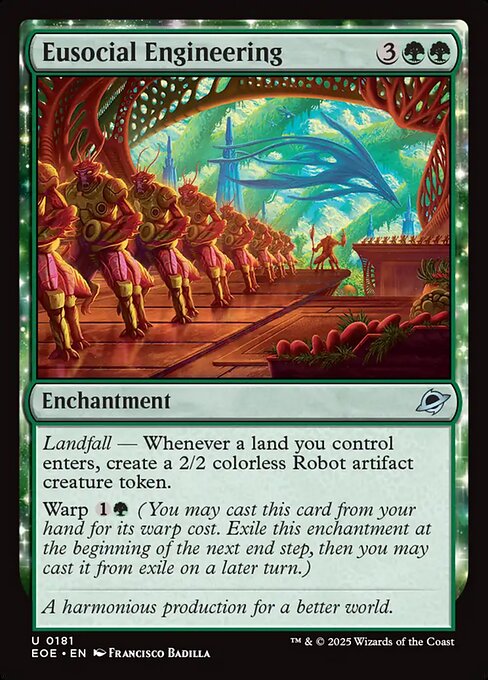 Eusocial Engineering
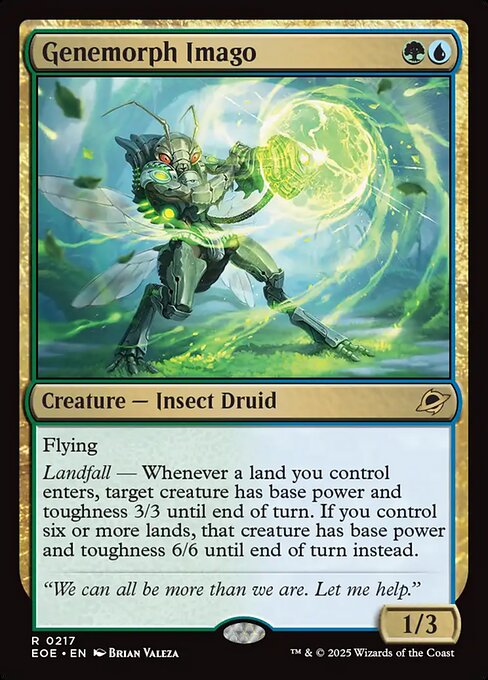 Genemorph Imago
 Comet Crawler
 Dawnstrike Vanguard
 Tezzeret, Cruel Captain
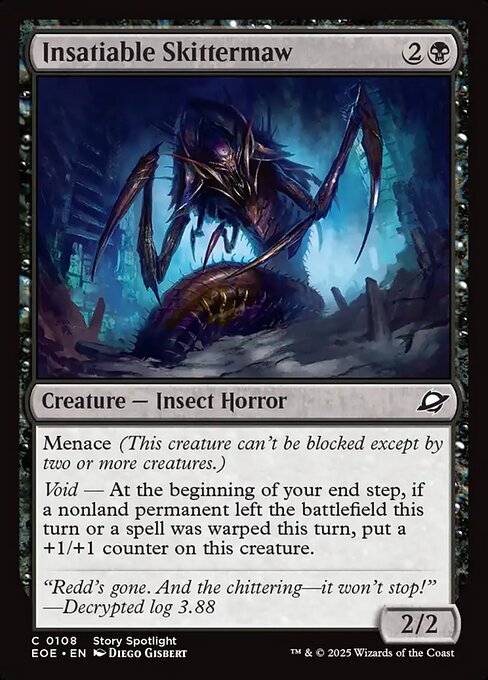 Insatiable Skittermaw
 Kav Landseeker
 Rust Harvester
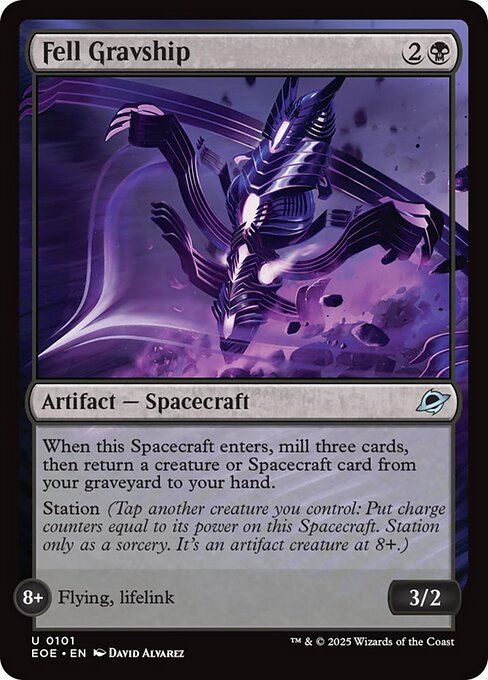 Fell Gravship
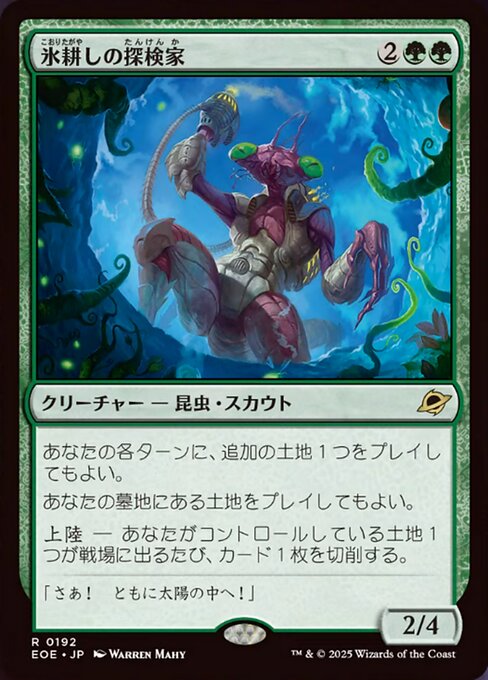 Icetill Explorer
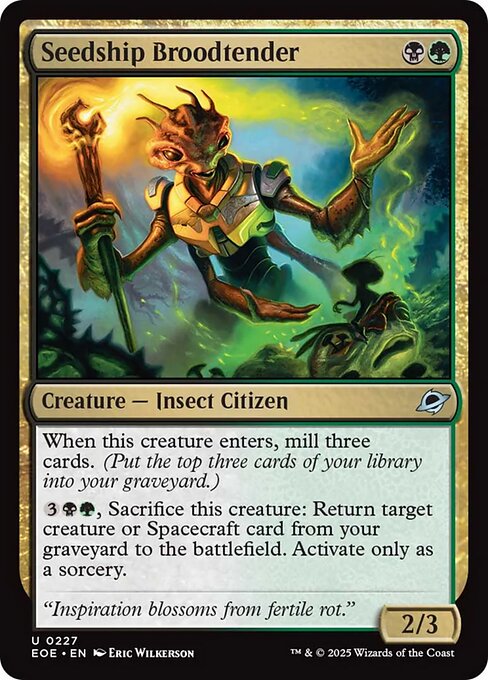 Seedship Broodtender
 Power Depot
 Edge Rover
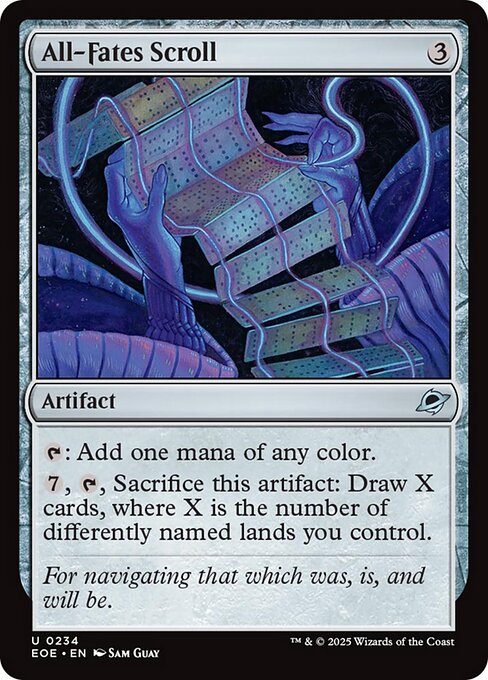 All-Fates Scroll
 Beyond the Quiet
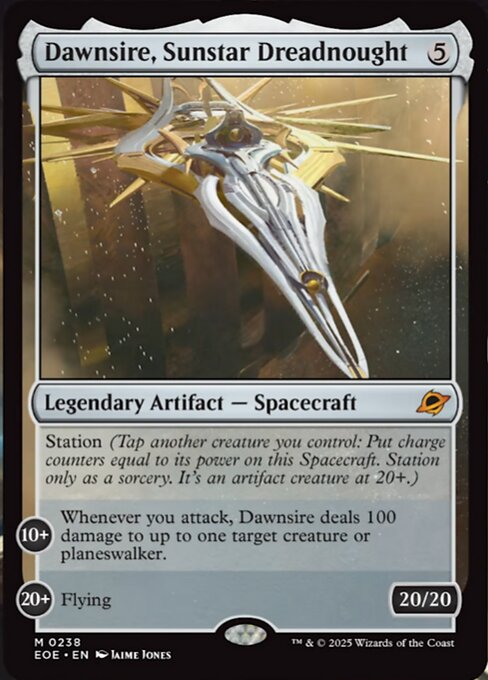 Dawnsire, Sunstar Dreadnought
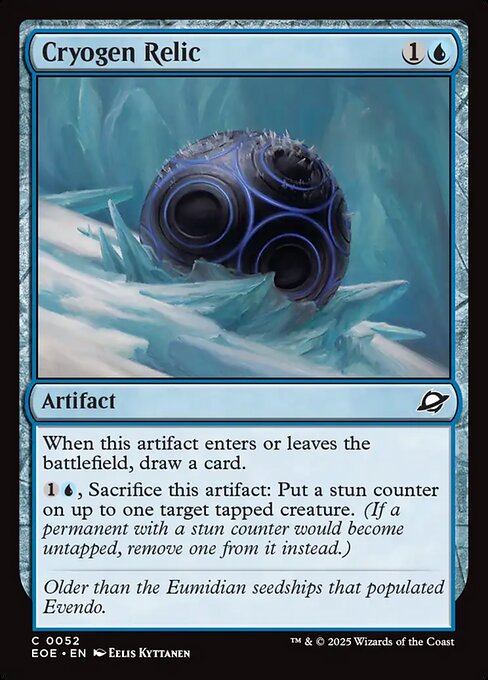 Cryogen Relic
 Mechanozoa
 Cerebral Download
 Hymn of the Faller
 Lost in Space
 Ancient Tomb
 Drix Fatemaker
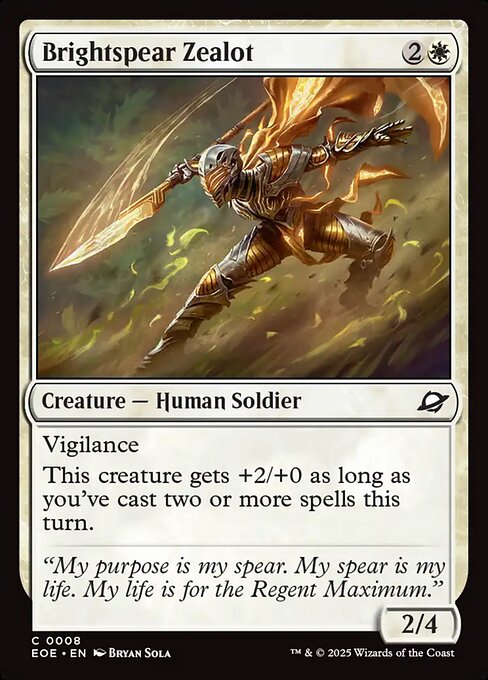 Brightspear Zealot
 Celestial Colonnade
 Diplomatic Relations
 Decode Transmissions